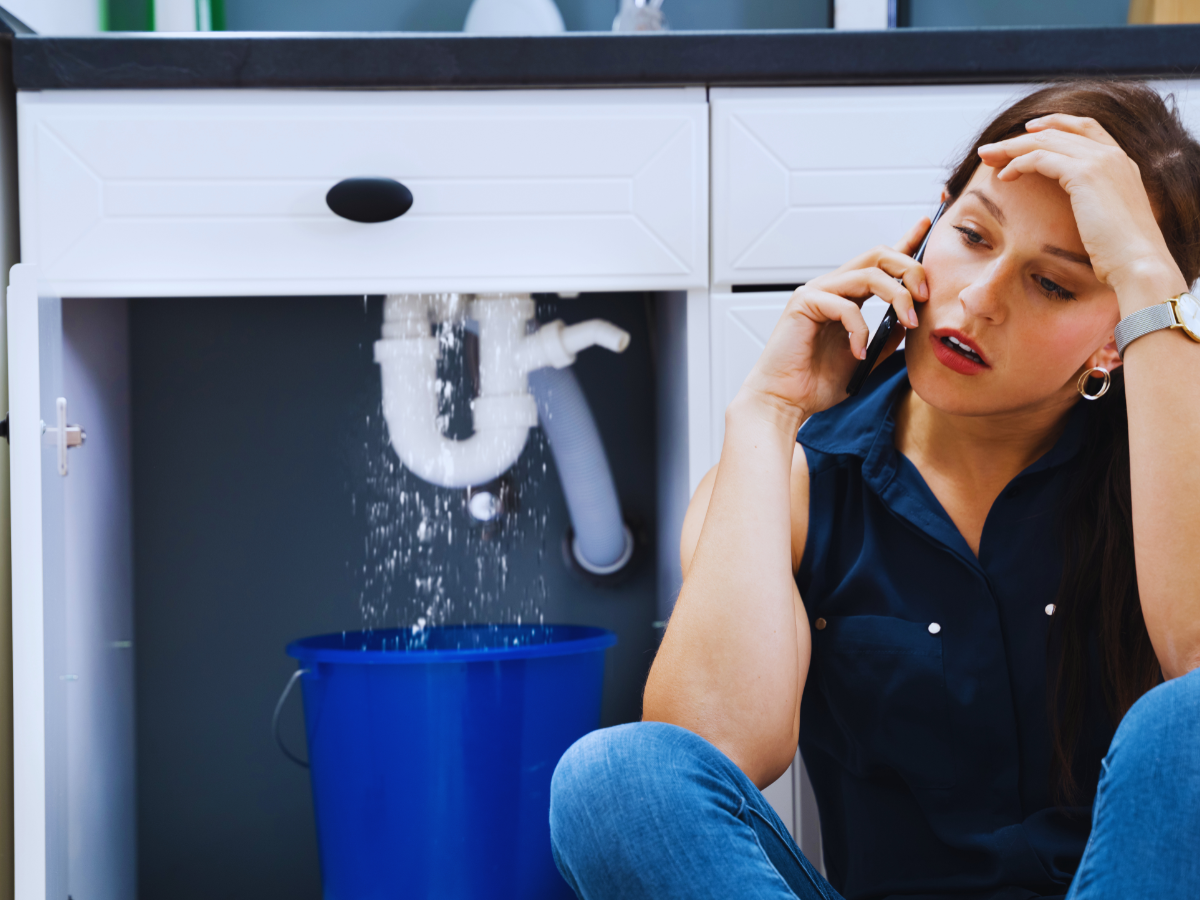
 Most homeowners picture plumbing leaks as gushing pipes and inundated basements. Most leaks are actually much less dramatic, and a lot harder to find. They usually start in hidden areas behind walls, under floors or around appliances, quietly causing damage long before anyone notices.
That’s what makes hidden leaks such a problem. Even a slow drip in the wrong place is sufficient to rot wood, damage drywall, weaken foundations and create the ideal conditions for mold and pests. Catching leaks early is the best way to avoid big-time home repairs, so knowing where leaks tend to hide — and how to find them — is essential.
Quick Takeaways
- Plumbing leaks are often hidden behind walls, beneath floors and around fixtures or appliances.
- Even small leaks can raise water bills, damage wood and lead to mold growth.
- Leaks under slabs and inside walls are especially difficult to detect without professional equipment.
- Finding leaks early helps minimize structural damage and costly repairs.
- Professional plumbers use advanced tools to quickly locate hidden leaks with minimal disruption.
Common Places Plumbing Leaks Hide in Homes
1. Behind Walls
Exposed pipes and fittings don’t make for very fashionable decor, which is why most of a home’s plumbing system resides discreetly within its walls. Consequently, when a leak occurs, it’s likely to start somewhere out of view. This can happen for all sorts of reasons, from failed joints and fittings to old, corroded pipes and poorly installed water lines.
So, if you can’t see the problem directly, how can you tell if there’s leaky plumbing lurking within your walls?
Signs of a Hidden Wall Leak
- Discoloration, bubbling, peeling or warping of the wall
- Damp spots on the drywall or along the baseboards
- Visible mold or mildew on the wall’s surface
- Persistent musty odors coming from a specific area
- Localized sounds of dripping, hissing or running water
2. Under Kitchen and Bathroom Sinks
With so many plumbing connections packed into a small space, sinks are obvious hotspots for leaks. Supply lines, drain pipes and shut-off valves can all develop slow drips over time.
The problem is that these leaks often stay hidden inside cabinets and vanities, where they’re liable to go unnoticed until mold, staining or water damage draws your attention.
3. Beneath Flooring and Slabs
Few things set homeowners’ hearts racing faster than slab leaks, and for good reason. Not only are these leaks notoriously tough to spot, but the damage they cause is often severe and extremely expensive to repair.
How Slab Leaks Develop
Most slab leaks are slow-moving disasters, resulting from months or years of wear and tear on the supply lines and drain pipes running beneath the house’s foundation. There are many potential causes and contributing factors, including corrosion, unstable soil, faulty installation, hard water and excessive or rapidly changing water pressure.
Warning Signs of a Slab Leak
 With no way to directly check your underground pipes, you need to rely on context clues to uncover a suspected slab leak. Keep your eyes peeled and promptly contact a professional if you notice:
- Warm or damp spots on the floor
- Sudden spikes in water consumption
- Cracks in the floor, walls or foundation
- Weak or inconsistent water pressure
- Shifting or settling of the foundation
- Running water sounds coming from below
- Pooling moisture around the slab
4. Around Toilets
Gainesville’s humidity makes sweaty toilets a common sight, but a wet bathroom floor should never be ignored. Toilet leaks are often slow and difficult to notice, especially when water spreads beneath tile or vinyl flooring.
One of the most common causes is a failed wax ring seal beneath the toilet base. When that seal breaks down, water can leak under the floor every time the toilet is flushed. Leaks may also come from cracked porcelain, loose fittings or worn supply lines.
5. Behind Washing Machines
Ample moisture. Intense vibration. Continuous high pressure. Washing machines are practically tailor-made to put stress on plumbing connections, including supply lines, drain hoses, seals, fittings and other components. These connections should ideally be inspected every few months, but because they’re hidden behind a bulky, hard-to-move appliance, they’re rarely checked at all.
You can see where this is going. The repetitive strain of countless laundry cycles damages plumbing connections over time, eventually causing small or intermittent leaks behind the washer. These leaks may go undetected for long periods, only becoming visible once they’ve caused serious damage.
6. Around Water Heaters
Water heaters are bristling with assorted valves, lines and plumbing connections — plus huge hot water tanks — so it’s no surprise they’re a prime source of hidden leaks. Problems often begin around the drain valve and the inlet and outlet pipes. The temperature and pressure (T&P) relief valve may also drip occasionally, but frequent discharges are a major red flag.
The tank itself can also develop leaks. This is especially common here in Gainesville, where hard water leaves mineral deposits that degrade the tank’s lining and expose it to heat and pressure.
7. Inside Crawl Spaces and Basements
How much time do you spend hanging out in your basement or crawl space? We’re willing to bet it’s not a lot, which is why leaks in these areas usually aren’t found in a hurry. Worse yet, crawl spaces and basements are naturally prone to attracting moisture, making it harder to differentiate between normal dampness and signs of a plumbing problem.
Signs You May Have a Hidden Plumbing Leak
Trying to spot hidden leaks directly is a real headache, but the following warning signs can tell you when plumbing troubles are afoot:
- Higher Water Bills: Unexpected increases in water usage often point to a hidden leak somewhere in the plumbing system.
- Moldy Smells: Persistent damp or moldy odors usually mean moisture is collecting where it shouldn’t be.
- Water Stains: Yellow or brown stains on ceilings, walls or floors are a common sign of hidden moisture.
- Low Water Pressure: Leaks allow water to escape before it reaches fixtures, reducing pressure throughout the system.
- Warm or Damp Spots: Warm flooring or persistent wet areas may indicate a dreaded slab leak beneath the home.
- Running Water Sounds: Hearing dripping, hissing or running water when no fixtures are on is a major red flag.
How Professional Leak Detection Works
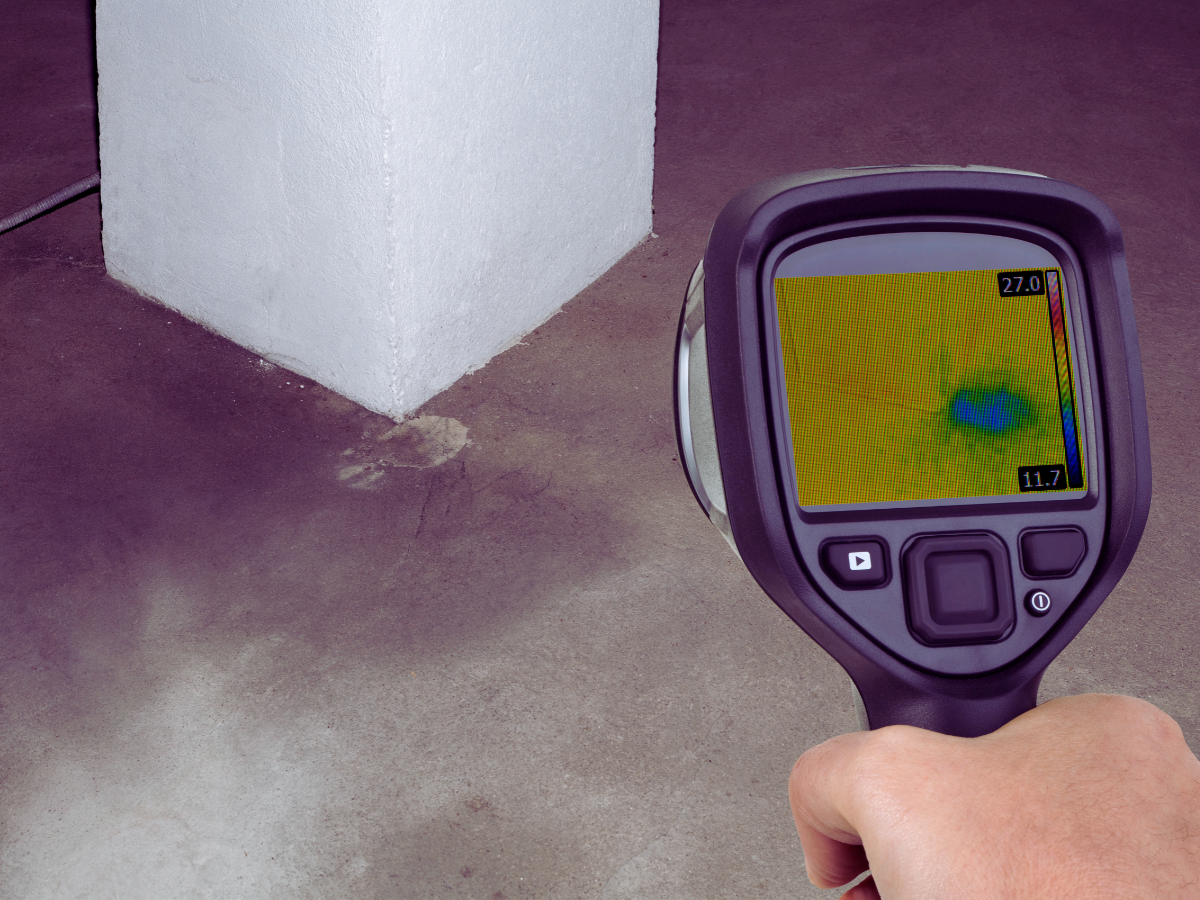 If you’ve noticed signs of a plumbing leak, don’t wait until the damage is already done. Contact a local leak detection specialist to track down the problem and fix it right away. Professional plumbers use a variety of sophisticated tools and techniques to pinpoint leaks no matter where they’re hiding, including:
Acoustic Leak Detection
Listening for leaks? It may seem counterintuitive, but acoustic leak detection is one of the best ways to home in on slab leaks and other underground plumbing issues. Think of it like a doctor with a stethoscope.
Using highly sensitive listening devices, plumbers can pick up faint noises and vibrations caused by water escaping through a crack or hole. They can even pin down the leak’s exact location, helping them determine how best to proceed.
Thermal Imaging
Plumbers use thermal infrared cameras to scan walls, floors and ceilings for subtle temperature anomalies that may indicate covert plumbing leaks. Leaking water can directly heat or cool the surrounding space, but that’s not all. Trapped moisture also alters the thermal properties of drywall and insulation, producing a distinctive signature on infrared cameras.
Moisture Meters
As the name suggests, moisture meters simply measure how much moisture a particular material contains. Plumbers use them to test wood, drywall, flooring, concrete and other materials around suspected leak sites. By comparing their readings to normal moisture levels, they can more accurately assess the source and extent of a leak without resorting to more destructive measures.
Pressure Testing
If your plumbing system isn’t fully sealed, it may have trouble maintaining the pressure needed to function normally. That’s why leaky pipes often affect the flow rates coming from fixtures around the house. Luckily, experienced pros can use this fact to their advantage.
By isolating and pressurizing specific parts of your plumbing system, plumbers can test how well each section holds up. If the pressure level drops, they know where to start looking for a leak.
Why Fast Leak Detection Matters
Think your plumbing system’s sprung a leak? The clock may already be ticking. Every hour that passes could mean more water flowing into your home — with potentially serious consequences. Finding and fixing the leak as swiftly as possible can save a lot of headaches, helping you:
- Prevent costly structural damage
- Control mold, mildew and pests
- Reduce utility bills and repair costs
- Keep your personal property safe
- Protect drywall, flooring and foundations
Hidden Plumbing Leak FAQs
What are the most common places plumbing leaks occur?
Frustratingly, many leaks happen behind walls, under slabs and floors and in other hard-to-reach places. Another common trouble spot is around fixtures and appliances, such as sinks, toilets, water heaters and washing machines.
Can a hidden leak increase my water bill?
Yes, and sometimes significantly so. Even small leaks keep your meter running non-stop, slowly but surely wasting water and steadily inflating your utility bills.
How do plumbers detect hidden leaks?
Professional plumbers use an array of tools to aid in non-invasive leak detection. This includes infrared cameras for thermal imaging, specialized listening devices for acoustic detection and fiber-optic cameras for visual inspections.
Are slab leaks dangerous for homes?
Very! Slab leaks can undermine your home’s foundation, causing shifting or cracking and potentially serious structural damage. They also create an ideal breeding ground for mold, bacteria and other indoor air quality hazards.
When should I call a plumber for a hidden leak?
As soon as you suspect there’s a problem. In particular, look for the classic red flags: musty smells, mold or water stains, unusually high water usage, damp spots and visible moisture with no obvious source.
Protect Your Home With Professional Leak Detection in Gainesville, FL
 Worried you might have a hidden plumbing leak somewhere in your home? Acting quickly could be the difference between a simple fix and a massive restoration project, so make every minute count.
Call the punctual plumbers at Gainesville Benjamin Franklin Plumbing now for cutting-edge leak detection and repair services throughout Gainesville, FL and neighboring communities.