While having a well comes with many benefits that keep you in control of your own water supply, the downside is that the buck stops with you when it comes to keeping your well pump working.
Your home’s well pump draws water up from your well to provide safe, clean water. Discovering an issue with your pump early can be safer and less expensive compared to letting symptoms linger.
Don’t let your well go dry without warning! Below, we cover signs your well pump is on its last leg.
Common Signs Your Well Pump Is Going Bad
 Your well pump may be in trouble if you’re noticing the following:
- No water coming from your faucets
- Changes in water pressure
- Air spitting from your faucets
- Constantly running pump
- Dirty water coming from your faucets
- Strange sounds
- Tripping circuit breaker
- Spikes in recent electric bills
- Your pump is older than 15 years
Understanding the Basics
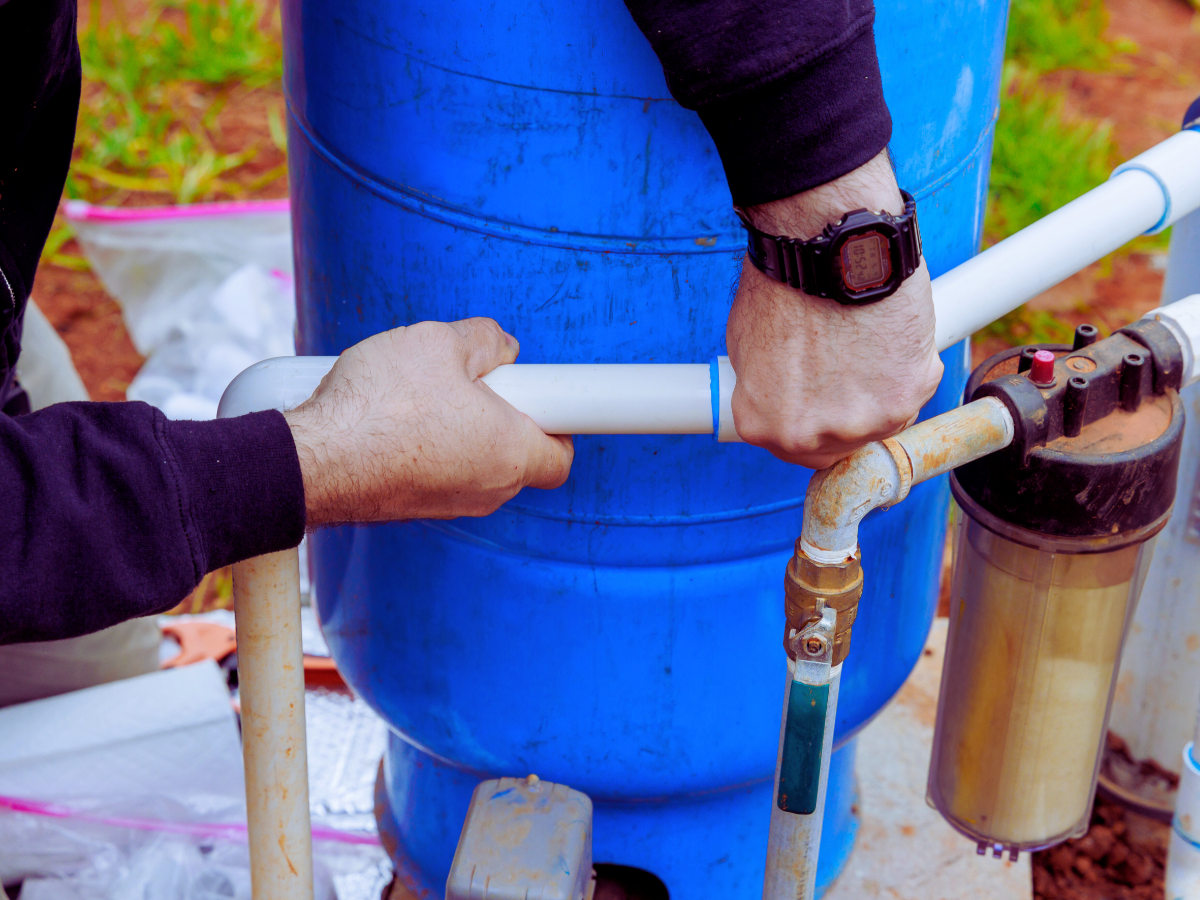
The main components of a well pump system are the pump, pressure switch, and pressure tank. If your home has a submersible pump, a pump located at the bottom of your well is pushing water up into your home. If your home has a jet pump, jets are suctioning water into your home.
In general, issues with jet pumps can be easier to diagnose and fix because they’re closer to the surface. The pressure switch controls pump operation by monitoring water pressure to ensure a steady water supply that won’t force your pump to overwork. Finally, a well’s pressure tank stores water to ensure you always have a reserve.
9 Warning Signs You Need a New Well Pump
Here’s a look at the telltale signs your well pump is failing.
1. You Have No Water at All
Is nothing happening when you turn on your faucets or flush your toilet? While there could be external factors at play, there’s a pretty good chance your well pump has failed. The next step is calling a plumber to verify the problem.
2. Low or Fluctuating Water Pressure
If water is dribbling out when you turn on your faucets, this is a sign that your well pump is struggling. The most likely scenario is that your well pump’s motor is failing. Don’t continue to stress your pump’s motor by using faucets or taking showers. Call a plumber to take a look.
3. Air Spitting From Faucets
Have you noticed hissing or spitting sounds when you turn on your faucets? This is the sound of air mixing with your water. A few different things could be happening.
If the problem has been persistent for as long as you’ve owned your home, it’s possible that the well pump was actually installed too high within your well. When this happens, a pump will pull in air whenever it pulls in water. Another potential cause is a leak in your pipes that allows air in as water seeps out.
To fix the problem, start by inspecting all of the visible sections of the pipe. In addition to looking for visible damage and corrosion, check for wetness that indicates a leak. Leaks that are concealed underground can be detected using a soil-probing rod.
4. Pump Runs Constantly Without Shutting Off
Does it seem like you hear your pump running at all hours of the day and night? This is a sign that the pump is struggling to push water through.
Unfortunately, this is one of those problems that will eventually lead to your pump wearing down and failing. However, the good news is that you probably have time to fix the issue before it gets worse if you’ve just noticed a running pump recently.
A well pump that runs constantly can be caused by a number of different things. Some things to check for include a leak in the system, a malfunction within your pressure tank, a bad well pump pressure switch, and an issue with the suction line.
5. Cloudy, Dirty, or Muddy Water
Your pump could be failing if it’s suddenly pulling up dirt and sediment that is leaving your home with “dirty” water. When was the last time you changed your well pump’s filter? The pump filter is usually located on the main water line before it reaches inside your home.
After ruling out an outdated filter, consider that the pump itself may be broken. At this point, it’s wise to bring in a plumber to assess if the pump’s location or power level could be causing it too pull in “too much.” Of course, you should avoid using water from your home until the situation is resolved.
6. Strange Sounds From the Pump or Tank
If you’re hearing odd sounds from your pump or pressure tank, your well pump may be about to go. Homeowners often notice a constant clicking noise coming from the pressure tank when a pump is struggling.
Additionally, it’s common to hear the sound of your pressure tank constantly stopping and starting if it has a leak or interior burst. If you suspect that your pressure tank is the cause of the noise, bring in a plumber to fix the problem as soon as possible to prevent your well pump motor from wearing out.
7. Frequent Circuit Breaker Trips
This may not be an electrical issue. When a well pump has a worn or faulty motor, it often draws excessive currents from your home’s electrical system. This will cause your home’s breaker to trip. In most cases, having your well pump’s motor replaced will take care of the issue.
8. Your Electric Bill Is Suddenly Higher
A mysterious increase in your home’s electric bill could be caused by an overactive well pump. Faulty or failing well pumps draw more energy because they are constantly cycling in order to maintain water pressure. If your well pump is constantly running, you’ll see an increase in your electric bill.
Start by ruling out any other potential causes in your home. If you’re also noticing any of the sounds or performance issues mentioned in this list, it’s likely that your well pump is the culprit. Have a plumber inspect your pump to confirm the problem.
9. The Pump Is 15+ Years Old
Well pumps are meant to last 15 years. While it’s common for homeowners to get a few extra years when they’re taking good care of components and scheduling regular well inspections, it’s usually smarter to simply have your pump or tank replaced if it’s showing signs of wear and tear or failure after the 15-year mark.
Replacement is a complicated procedure that involves accessing several feet below the surface and dealing with complex electrical and plumbing equipment. Be sure to get the project done safely using the help of a trusted local plumbing professional specializing in well parts.
Common Causes of Well Pump Failure
 It’s not necessarily the fault of your well pump if things go wrong. Common causes of well pump failure that aren’t necessarily caused by the pump include a lower water table in your area, power surges, and sediment wear. Your pump can also wear out early due to improper pump sizing for your property and over-cycling due to tank problems.
Troubleshooting Steps Before You Replace It
Before rushing to replace your well pump, make sure you’re not overlooking an easy fix. For example, check your breaker and power supply to see if electricity has been cut off to your well pump. Additionally, your checklist should include viewing the pressure switch and gauge, inspecting the tank for waterlogging, and priming the pump if you have a jet system.
When to Repair vs. Replace
If you’ve had your well pump for more than 15 years, the more cost-effective choice is usually upgrading to a new pump instead of performing repairs. Meanwhile, tanks generally need to be replaced every eight to 10 years.
In general, any repair that costs 30% to 40% of the cost of replacement is considered unwise. It’s also important to prioritize your home’s safety. Full replacement is advised whenever there’s risk of contamination or complete failure.
Don’t Wait Until It’s Dry. Call Benjamin Franklin
 Catching a well pump issue early can often result in a cheaper fix. Call a licensed well contractor to have the issue looked at right away if you’ve noticed any of the symptoms above.
Of course, it’s also wise to keep up with routine inspections to catch problems as early as possible. Benjamin Franklin Plumbing is here to handle all of your well pump needs in Gainesville, FL and surrounding areas. We’re the punctual plumbers locals call first when they want fast, reliable service. Contact us today!
FAQ Section
What are signs of a failing well pump?
Sounds, struggling faucets, changes in water pressure, changes in water taste and smell, and lack of water are all signs your well pump may be failing.
Why is my water pressure low?
Potential causes include a clogged well screen or sediment filter, a clogged pipe, waterlogging in your pressure tank, or a failing well pump.
How long should a well pump last?
On average, modern well pumps last 15 years.
Can I fix a well pump myself?
While homeowners can generally handle issues stemming from clogged well pump filters, repairing a faulty well pump is best left to licensed professionals.
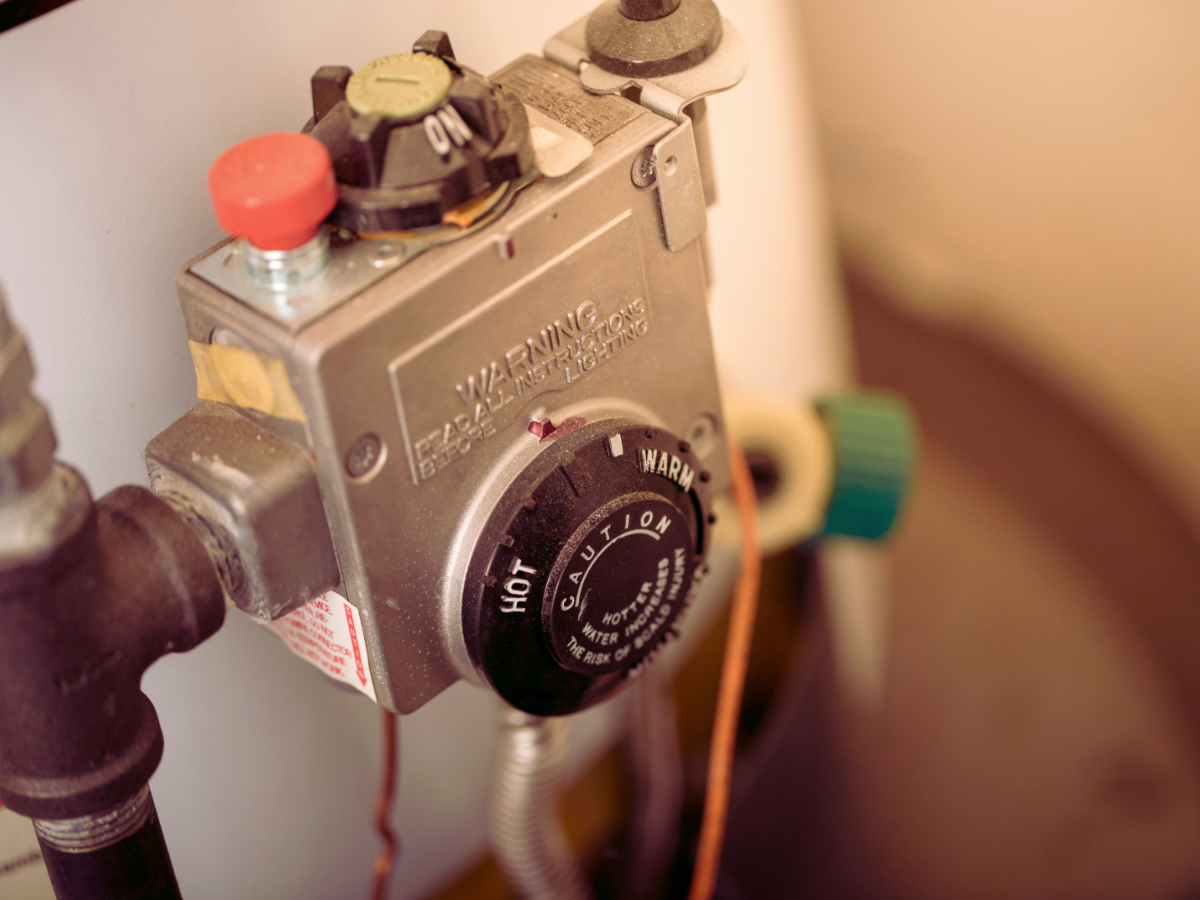 Running out of hot water is a miserable experience for homeowners with all types of water heaters. Let’s look at every major reason for a residential heater to stop producing hot water and a few solutions for DIY repairs.
 For Electric Water Heaters:
 A leaking water heater is the last thing you want to deal with after a long day at work. If you see water on the floor, don’t stress or fret. It’s easy to feel overwhelmed by the situation, but having a plan in place will make handling the issue easier and prevent further damage.
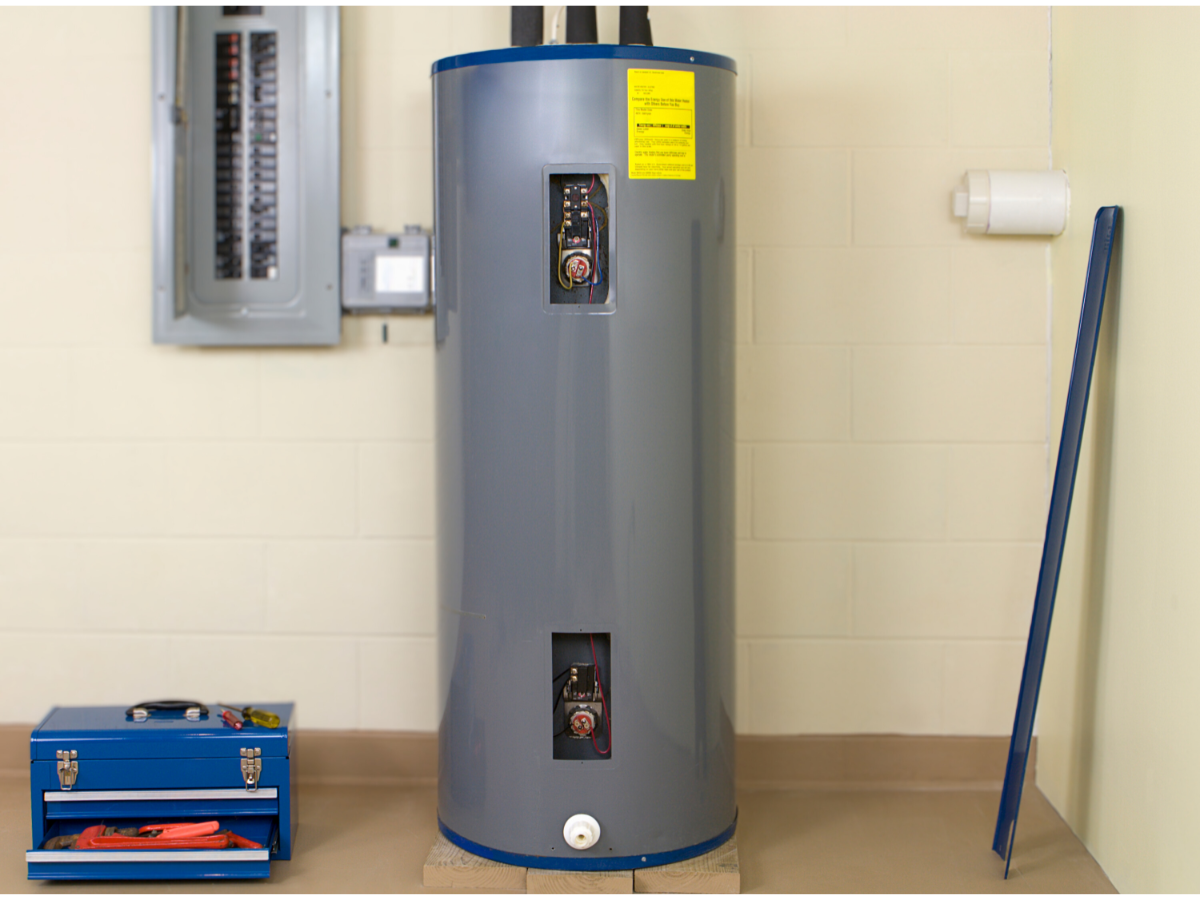 Now that you know where the leak is coming from, you must decide whether to repair or replace the water heater. Here are some helpful tips you can use to make the best choice.
 A DIY approach is not safe for fixing a leaky water heater when cracks appear in the tank or water leaks uncontrollably. In these situations, you’ll need professional help.
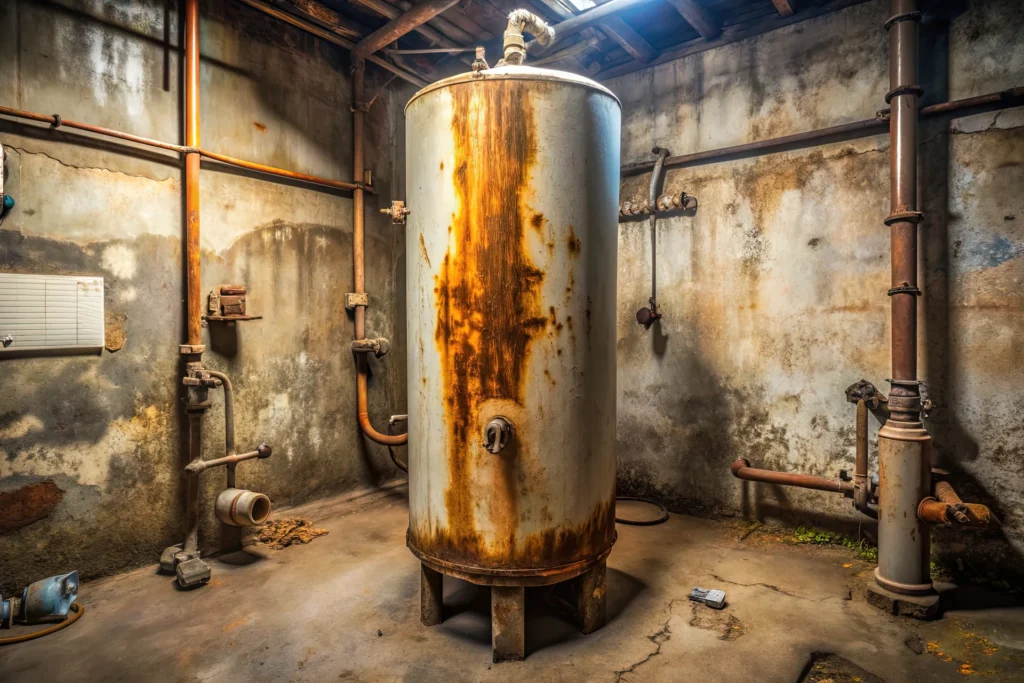 Just how old is your home’s water heater? Homeowners in Gainesville, FL, homeowners will want to know the age of their water heater so they can plan maintenance or see if the unit needs to be replaced.
 What is reverse osmosis water filtration? More importantly, how can it help your family have clean water to drink?
 By investing in a reverse osmosis system in your home, you can enjoy a number of important advantages.
 Worried about the water that’s coming out of your faucets and showers? If you’re concerned about sediments, bacteria, viruses, pesticides, or even the levels of chlorine in your water, getting a whole-house water filtration system could be worth it. Below, we’ll take a more in-depth look at what whole-house water filtration systems are, the different types, how they work, and their benefits.
 So, are whole house water filtration systems worth it? If you’re worried about contaminants that could put you and your family’s health at risk, then the answer is yes, a whole-house water filtration system is definitely worth it. Here are some of the benefits you’ll notice: