Need to replace a toilet? Learn the signs it’s time, what to expect, and when to call a professional plumber at Benjamin Franklin Plumbing. If you’re the DIY type, swapping out a broken or outdated toilet may sound like a perfect project to tackle on your own. In fact, there are countless guides and videos available online to help you do just that. It hardly sounds like rocket surgery, so why not roll up your sleeves and save some money?
Replacing a toilet yourself is indeed possible, but like many plumbing projects, it’s rarely as simple as it appears. Before jumping in, it’s important to consider what the job entails and whether you’re truly up to the challenge. We’re here to break it all down, including the skills you’ll need, the tools required and the things to watch out for along the way.
Understanding What’s Involved in Replacing a Toilet
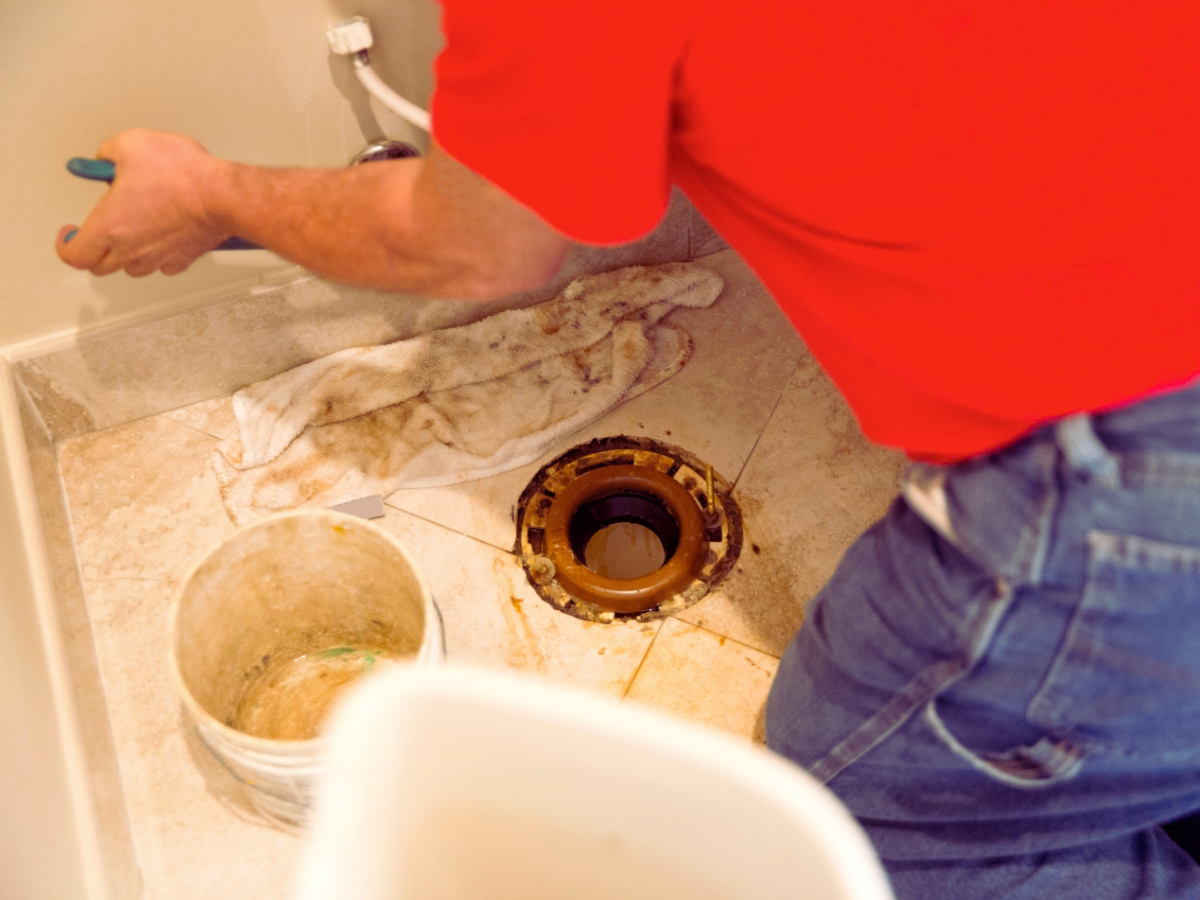 As plumbing fixtures go, toilets aren’t especially complicated. There’s not much to installing a replacement on paper, but each step comes with potential complications and must be very carefully executed.
These steps include:
- Closing and disconnecting the water supply
- Emptying and removing the old toilet
- Inspecting the flange and surrounding floor
- Replacing the closet bolts and wax ring or seal
- Fitting, leveling and bolting down the new toilet
- Restoring water and checking for leaks
- Caulking the front and sides of the base
How Hard Is Replacing a Toilet for the Average Homeowner?
Because they’re so heavy and bulky, installing toilets is physically demanding and unforgiving work. The actual steps involved require only moderate skills, but the difficulty level of the process depends largely on the condition of your home and plumbing system.
When Toilet Replacement Is (Relatively) Simple
- You have modern plumbing and connections
- The shut-off valve is accessible and working
- The surrounding flooring is flat and sturdy
- Your toilet is a standard size and design
- The flange is intact and the bolts come loose
When Replacing a Toilet Becomes a Headache
- The plumbing or rough-in distance is non-standard
- Your shut-off valve is seized or leaking
- The subflooring shows water damage
- The flange is cracked or improperly aligned
- The bolts spin freely or are corroded in place
- Your replacement toilet doesn’t match
Common Mishaps and Mistakes
Whether you’re a total beginner or a seasoned handyman, DIY projects don’t always go according to plan. Some problems are unavoidable, but knowing what can go wrong — and why — can help you better prepare and evaluate whether it’s a job for you.
| Symptom | Possible Causes |
|---|---|
| Leaking around toilet base |
|
| Toilet feels loose or wobbly |
|
| Slow or incomplete flushing |
|
| Cracked porcelain in new bowl |
|
| Foul smell of sewer gas |
|
The DIY Toilet Replacement Checklist
So, what does it actually take to get the job done? Not as much as you might think — at least in theory. Unexpected issues may demand greater know-how or more advanced gear, but for a standard toilet swap, the requirements are pretty basic.
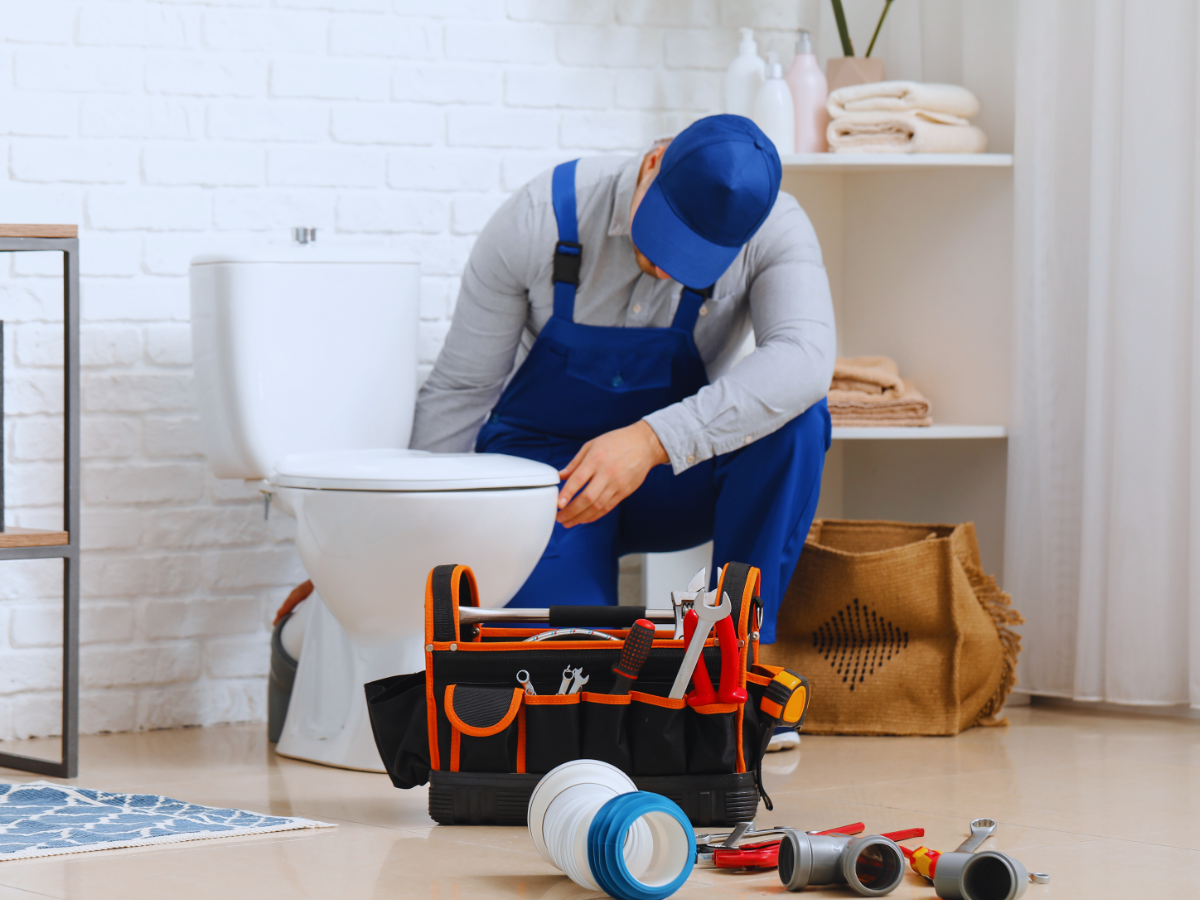 Tools and Equipment
- Adjustable wrench
- Locking pliers
- Screwdrivers
- Putty knife
- Plumber’s tape
- Bucket and sponge
- Level and tape measure
- Caulk and caulk gun
Knowledge and Skills
While you don’t have to be a master plumber, you will need at least a rudimentary understanding of plumbing fixtures and connections. This includes the basics of how toilets work and how to identify and use water shut-off valves. In addition, make sure you’re comfortable working with all the necessary tools.
Most importantly, you must plan carefully, double-check everything and remain attentive to the smallest details. Even a slightly misaligned seal or overtightened bolt can ruin all your hard work, so there’s no room for error.
Physical Strength
Lifting, lugging around and repositioning a toilet weighing 75 to 100 lbs or more is a serious workout. Not only that, but it often takes some muscle to break loose corroded bolts and open seized-up valves. Strength certainly isn’t everything, but it’s a key factor to consider when deciding whether to tackle the job.
When To Call a Plumbing Professional
As a homeowner, making repairs and improvements yourself can potentially save you a lot of money. Unfortunately, it’s also an easy way to get into trouble by taking on projects beyond your abilities. If a DIY toilet installation goes sideways, cleaning up the mess could end up costing far more than expected.
But it’s not just a matter of dollars and cents. Replacing your toilet can be stressful, time-consuming and labor-intensive, especially if things don’t go smoothly. With a professional toilet installation, you can sit back and let the experts do the dirty work.
Experienced plumbers are trained to pick up on details others might miss, resulting in superior workmanship and long-term reliability. They’re also equipped to efficiently handle unexpected complications, giving you greater peace of mind.
That’s why calling a local plumber is always a safe bet, especially if:
- You have an older home or plumbing system
- You’re planning extensive bathroom remodeling
- There are signs of leaks or damage to the floor
- You’ve had serious or reoccurring plumbing issues
- You’ll be replacing or installing multiple toilets
Frequently Asked Questions
Is replacing a toilet considered a hard DIY project?
Call it intermediate. The steps involved are straightforward enough for anyone with basic skills and equipment, but precision and attention to detail are essential.
How long does it take to replace a toilet?
As a general rule, plan on devoting two to four hours to the task. While handy homeowners may finish sooner, it’s best to anticipate unforeseen delays along the way.
Can I replace a toilet without plumbing experience?
Yes — with a few caveats. Carefully consider whether you have the requisite tools, skills and strength. Avoid projects involving relocations, non-standard fixtures and other challenges.
What can go wrong when replacing a toilet myself?
Quite a lot. The most common mishaps include poor drainage or flushing, leaky seals and excessive wobbling or cracked porcelain from overtightened closet bolts.
Does installing a toilet take any special tools?
You may need a variety of implements — wrenches, screwdrivers, putty knife, caulk gun — but nothing a well-equipped DIYer is unlikely to have on hand.
Is it easy to damage my plumbing when replacing a toilet?
Unfortunately so. Breaking flanges, valves, supply lines and other parts takes surprisingly little force, although you’re unlikely to wreck the rest of your plumbing system.
How much does professional toilet installation cost?
Excepting the cost of the toilet, you can expect to pay between $200 and $400 on average. Naturally, the price tag may be much higher for more complex or difficult installs.
Should I replace the toilet flange at the same time?
Not necessarily. A new wax ring or seal is a must, but the flange itself can be reused as long as it’s at the proper height and has no damage or corrosion.
Let Gainesville’s Punctual Plumbers Replace Your Toilet the Right Way
 Big DIY projects can be incredibly rewarding, but they also come with enormous risks. If all goes well, replacing a toilet yourself can save you cash and provide a major confidence boost. However, one false move can turn the project into a black hole, gobbling up your precious time, money and energy.
If that’s not a risk you’re comfortable taking, play it safe with Benjamin Franklin Plumbing — Gainesville, FL. Our punctual plumbers take the stress out of toilet replacement, completing each installation with meticulous sealing, leveling and testing to ensure smooth, leak-free performance. Book a service call today and let our expertise put your mind at ease!