Benjamin Franklin

Gainesville, FL

  • Home
  • Services
    • Drain Clearing
      Drain Unclogging
      Drain Cleaning
      Emergency Plumbing
      Faucet Installation
      Faucet Repair
      Garbage Disposals
      Garbage Disposal Repair
      House Repiping
    • Hydro-Jetting
      Leak Detection
      Plumbing Repairs
      Sewer Line Repair
      Sewer Line Replacement
      Shower Installation
      Shower Repair
      Sump Pumps
      Tankless Water Heaters
    • Toilet Installation
      Toilet Repair
      Water Filtration
      Water Heater Installation
      Water Heater Repair
      Water Line Repair
      Water Line Replacement
      Water Softeners
      Well Pump Repair
  • Service Areas
  • Specials
  • About
  • (352) 781-0536
  • Book Now

How to Determine the Age of Your Water Heater

Water Heater AgeJust how old is your home’s water heater? Homeowners in Gainesville, FL, homeowners will want to know the age of their water heater so they can plan maintenance or see if the unit needs to be replaced.

The fastest way is to check the paperwork for the installation of your water heater. But if you cannot locate the documents (such as if the previous owner installed the water heater), you can look at the serial number sticker that the company affixed to the side of the unit.

You’ll learn the year and month of the water heater’s manufacture date from the serial number.

Why Knowing Your Water Heater’s Age Matters

Because different types of water heaters last longer than others, you’ll want to know what type of unit you have:

  • Tankless water heaters last up to 20 years
  • Tank-style water heaters last as many as 8-12 years

If you can’t tell how old your water heater is, there’s a possibility it may be so old that it’s due for replacement. Keep in mind that as your water heater ages, it will operate less efficiently than when first installed. Accordingly, homeowners in Gainesville with aging water heaters must spend more on their utility bills.

Another reason to know how old your water heater is that it may malfunction or completely break down. This is especially the case for homeowners who forget to arrange inspections and maintenance every year.

Locating the Manufacturer’s Label

Look for the serial number on a sticker at the side of your water heater, which manufacturers typically place near the energy savings and safety warning stickers.

A label may tell you the date of manufacture. Or, it will show a serial number that you’ll need to decode to learn how old the unit is.

Decoding the Serial Number by Brand

Companies do not all use the same system to note the manufacturing date in their water heater serial numbers. Here’s a guide to deciphering the serial number of your water heater in Gainesville:

A.O. Smith Water Heaters:

A.O. Smith indicates the year of manufacture with the serial number’s first two digits, and the week of manufacture with the second two digits.

Bradford White Water Heaters:

When you examine a water heater from Bradford White, you’ll see that the serial number’s first letter stands for the year the unit was built. The second letter indicates the month of production.

Year:

Water heaters from Bradford White made in 1984 or 2004 come with a serial number starting with the letter “A.” The serial number begins with the letter “B” for units produced in either 1985 or 2005, with the pattern continuing in this fashion.

Please note that Bradford White repeats its serial number letters every 20 years.

Month:

To indicate a January production month, Bradford White uses “A.” If built in February, it uses “B,” and so on.

So, if you see “BB” in the serial number, it indicates the company manufactured your water heater in February of 1985 or 2005. Usually homeowners will be able to tell if their unit is from 1985 or 2005.

But if you have any doubts about decoding the serial number, the plumbers from Benjamin Franklin Plumbing are experts at figuring out how old water heaters are.

Rheem and Ruud Water Heaters:

Check the first four digits of your Rheem and Ruud water heater. The company follows a MMYY pattern (month and year with two digits each). So, if the water heater was constructed in March 2020, the serial number will read “0320.”

Signs Your Water Heater May Be Aging

Have you noticed any of these signs in your water heater? They indicate the unit may be aging and due for maintenance, repairs or replacement:

  • Water temperature is inconsistent
  • Rust-colored water
  • Water leaking from the unit
  • The water heater makes strange, rumbling noises

Call us today if your water heater is showing any of these signs of aging. We’ll inspect it and see if it needs to be fixed or upgraded with a new, more efficient unit that will save you money.

When to Contact a Professional

When you’re uncertain about the age of your Gainesville water heater or have seen signs the unit is growing old, it’s a good idea to get in touch with Benjamin Franklin Plumbing. We recommend you call us for service if you cannot find the unit’s serial number and manufacturing date, so we can evaluate how well it’s functioning.

Our team helps keep water heaters running at their best with annual inspections and maintenance. We’ll fix your unit if it’s still eligible for repairs, or consult with you about your choices to replace the water heater.

If it’s time to get a new water heater, we will go over the latest government and utility rebates, to save you money. Contact us today for more information!

Benefits of Upgrading an Old Water Heater

How can you benefit from installing a new water heater?

If it’s time to upgrade the water heater because of signs of advanced aging, your new unit will work more efficiently, reducing utility bills.

We are experts in the latest water heater technology. Our team will be happy to consult with you about the latest heat pump water heaters and hybrid electric water heaters so you can save even more money while using less power.

Is Your Water Heater Nearing Its Last Days? Here’s What to Do

Verify the age of your water heater, checking the serial number stuck to the side of the tank (if you can’t find the installation paperwork).

Then, call Benjamin Franklin Plumbing to schedule proactive maintenance, which is a much better approach than only doing reactive maintenance when something has gone wrong with your water heater.

With regular maintenance, you can reduce the possibility of the water heater failing unexpectedly. Our plumbers will keep an eye on the unit to let you know when it looks like it’s time for replacement.

Don’t Get Caught Without Hot Water – Let’s Check Your Heater Today!

We have years of experience checking water heaters for Gainesville homeowners, helping them determine whether their unit is still viable, or if they should upgrade it now.

Connect with us today for comprehensive water heater service!

FAQs

Benjamin Franklin Plumbing answers our Gainesville customers’ most frequently asked questions.

How can I find the serial number on my water heater?

Check the side of the tank, where the serial number sticker should be next to energy savings and warning stickers.

What does it mean if my water heater is making rumbling noises?

Dirt, calcium and sediment building up on the bottom of the tank can cause your unit to make noises when the water heats up.

Is rusty water always a sign of a failing water heater?

Consider that the tank is constantly in contact with water that will make it rust. We will check your water heater to see if it’s too corroded to last much longer and about to fail.

Can I determine the age of my water heater without the serial

number?

Consult the documentation that came when your water heater was installed. Or, look for the company’s label showing the date of manufacture.

What are the benefits of upgrading to a newer water heater model?

Your utility bills will go down, as a newer unit runs more efficiently. The manufacturer’s warranty will also save you money on potential repairs.

How often should I have my water heater inspected?

Benjamin Franklin Plumbing suggests you arrange annual inspections and maintenance for your Gainesville water heater. It’s cheaper to fix problems when they’re relatively small, compared to reacting to a malfunction and only then calling for maintenance.

That is, it’s better to be proactive rather than reactive with inspections and maintenance.

Filed Under: Blog

What Is Reverse Osmosis Water Filtration?

reverse osmosis filter underneath Gainesville resident's sinkWhat is reverse osmosis water filtration? More importantly, how can it help your family have clean water to drink?

Reverse osmosis filtration helps to lower the contaminant level in your water and boost the water’s taste. Over the long run, it can also save you significant amounts of money on bottled water. By working with our punctual plumbers to install a reverse osmosis system, your home can enjoy having a cleaner, better water supply.

Key Takeaways

  • Reverse osmosis filtration uses multiple stages to filter and clean water.
  • It can remove a range of harmful contaminants, leading to better overall health.
  • Besides leaving you with cleaner water, it can improve the taste of your water supply and reduce how much you spend on bottled water.

What Is Reverse Osmosis Water Filtration?

By 2032, the size of the global market for reverse osmosis systems is expected to reach $13.31 billion. This reflects a growth rate of 5.3% per year. In addition to being installed by many municipalities and businesses, reverse osmosis systems are often set up in residential homes.

Osmosis involves passing water through a semipermeable membrane. One side of the membrane has a lower solute concentration, and the other one has a higher concentration. This causes osmotic pressure, which causes more water molecules to migrate from one side to another.

In a way, the membrane is like a giant net. Because the large molecules can’t get through the net, they are effectively filtered out of the water.

Reverse osmosis is slightly different. In this system, you have the same general setup. However, the side with the high concentration of solutes receives extra pressure, which helps to push the water molecules in the opposite direction. In essence, the filter is separating clean water from everything else.

1. Pre-Treatment Stage

The first part of the process is the pre-treatment stage. This step involves sediment filters and other types of pre-filters. Large particles, like chlorine and organic matter, are removed so that they cannot damage the reverse osmosis membrane later on.

2. Filtration

In this stage, high pressure is used on the water. This pushes it through the tiny pores in the semi-permeable membrane so that clean water is separated from everything else.

3. Disposal

Concentrated contaminants are expelled from the entire system through the brine. This wastewater is drained away using the drain system and a flow restrictor.

4. Storage and Delivery

In this stage, the processed water is sent to a storage tank. Then, it can be pulled from the tank whenever it is needed.

5. Post-Treatment Stage

When you need water in your house, treated water is sent from the storage tank to your home. Along the way, it goes through a carbon filter to ensure the highest level of cleanliness and taste.

What Contaminants Can Reverse Osmosis Remove?

With a reverse osmosis system, a range of different contaminants can be removed or reduced.

  • Chlorine
  • Fluoride
  • Arsenic
  • Microplastics
  • Salt
  • Sediment
  • Volatile organic compounds (VOCs)
  • Heavy metals
  • Perfluoroalkyl and polyfluoroalkyl substances (PFAS)
  • Pesticides and herbicides

The Advantages of Reverse Osmosis Systems

reverse osmosis filtersBy investing in a reverse osmosis system in your home, you can enjoy a number of important advantages.

  • Improved taste
  • Fewer contaminants
  • Lower cost than bottled water
  • Convenient for residential and commercial use
  • Better health

At Benjamin Franklin Plumbing, we have years of experience in helping local residents and businesses with all of their plumbing needs. To learn more about how you can get a reverse osmosis system in your home, fill out our online form today.

FAQs

If you’re thinking about investing in a reverse osmosis system, you may have a few questions and concerns. The following list includes some of the questions we frequently hear from our customers.

What Cannot Be Filtered With Reverse Osmosis?

While many contaminants can be effectively removed by reverse osmosis systems, there are some notable exceptions. Viruses and bacterial microorganisms are not completely eliminated by these systems. In addition, dissolved gases and chlorine byproducts aren’t effectively removed.

How Long Does It Take To Install a Reverse Osmosis System?

Each home is different, so the amount of time it takes to install a reverse osmosis system can vary. In general, it takes an experienced plumber just one to four hours to install the entire system in a residential home.

Is Installing a Reverse Osmosis System Easy?

Installing a reverse osmosis system can be challenging if you aren’t an experienced plumber. If the system isn’t installed properly, it will struggle to effectively filter the water. Because of this, it’s a good idea to leave this task to the experts.

Is Getting a Reverse Osmosis System Worth It?

Getting a reverse osmosis system is a wise decision. Besides protecting the health of your loved ones, a reverse osmosis system can help you save a significant amount of money on bottled water each year.

How Often Do I Need To Maintain a Reverse Osmosis System?

Ideally, you should get your reverse osmosis system and the rest of your home’s plumbing systems inspected at least once a year. In addition to annual maintenance, you should also be changing the pre-filters and sediment filters every 6 to 12 months. The reverse osmosis membrane should be replaced every two to three years.

Learn More About Reverse Osmosis Systems

Benjamin Franklin Plumbing Tampa LogoWith a punctual plumber, you can access a range of water filtration systems. Besides reverse osmosis, we can set up microfiltration and ultrafiltration systems.

Our team is available in Birmingham, Pelham, and everywhere in between. To learn more about our services, give us a call today.

Filed Under: Blog

Are Whole House Water Filtration Systems Worth It?

plumber installing whole house water filtration systemWorried about the water that’s coming out of your faucets and showers? If you’re concerned about sediments, bacteria, viruses, pesticides, or even the levels of chlorine in your water, getting a whole-house water filtration system could be worth it. Below, we’ll take a more in-depth look at what whole-house water filtration systems are, the different types, how they work, and their benefits.

Key Takeaways

• Different whole-house water filtration systems remove different contaminants.

• Whole-house water filtration systems have a higher initial cost than under-sink or countertop filters.

• Whole-house water filtration systems are point-of-entry filters, providing clean filtered water throughout your home.

• Whole-house water filtration systems eliminate the need for water bottles.

What Is a Whole-House Water Filtration System?

While some people are satisfied with just having filtered water from one faucet, others like the idea of having clean, filtered water throughout their home. That’s where a whole-house water filtration system comes in. These systems ensure that water flowing through your faucets, showers, laundry machine, and dishwasher is not only clean but also filtered.

Whole-house water filters can be tailored to your individual needs. If you’d like your filtration system to simply soften your hard water, there’s a system designed for that. Alternatively, if you’d like your system to remove sediments and chemicals, there are systems that can meet those needs as well.

How Do Whole-House Filtration Systems Differ From Other Types of Water Filters?

Whole-house filtration systems are installed where the main water line enters your home, ensuring that all the water flowing into your house is filtered. These differ from under-sink and countertop filters.

Under-sink filters are installed under your sink and only filter water coming from that faucet. Similarly, countertop filters attach directly to your faucet, filtering the water coming from that specific tap.

What Are the Different Types of Whole-House Filtration Systems?

Here are some whole-house filtration systems you may want to consider.

Ultraviolet Purification System

An ultraviolet purification system is an ideal solution if you’re worried about microorganisms like bacteria, fungi, viruses, or parasites in your water. If your area is under a boil water advisory, then an ultraviolet purification system can ensure your water is safe to drink and use.

UV purification systems use UV light to damage the RNA and DNA of any microorganisms in the water so that they’re unable to replicate or spread disease. It’s important to note that these purification systems are more effective when combined with sediment filters, as debris and dirt can block the UV light.

UV purification systems destroy:

  • Bacteria
  • Fungi
  • Viruses
  • Algae
  • Parasites

Sediment Filtration System

Sediment filtration systems remove a variety of sediments from water, such as clay, dust, sand, and even rust particles from old pipes. Sediment filters are installed at your main water line’s point of entry and contain pores that are too small for particles to pass through. Essentially, these systems remove any suspended solids from your water.

Sediment filters remove:

  • Dust
  • Debris
  • Rust flecks
  • Sand
  • Clay particles

Carbon Filtration System

Carbon filtration systems are designed to specifically remove chlorine from your water. While the levels of chlorine in drinking water are safe to consume, according to the EPA, many people dislike the taste and smell.

These systems contain activated carbon filters that significantly reduce the amount of chlorine and chloramine in water. Although chloramines can be difficult to remove from water, activated carbon filters can effectively break apart their molecules.

Carbon filters remove:

  • Chlorine
  • Chloramine
  • Pesticides
  • Herbicides

Why Having a Whole-House Water Filtration System Is Worth It

woman holding glass of clean filtered waterSo, are whole house water filtration systems worth it? If you’re worried about contaminants that could put you and your family’s health at risk, then the answer is yes, a whole-house water filtration system is definitely worth it. Here are some of the benefits you’ll notice:

Provides Healthier Drinking Water

Whole-house filtration systems remove a variety of contaminants, such as bacteria, fungi, and even pesticides. Once you prioritize which contaminants you’d like to remove, you can find a filtration system to meet your needs.

Extends the Lifespan of Your Pipes and Appliances

A lot of the sediments and chemicals flowing through your plumbing system can clog and damage your pipes over time. By installing a filtration system at the point of entry, you’ll be ensuring all your pipes and appliances only come into contact with clean, filtered water.

Eliminates Your Need for Bottled Water

With filtered water available throughout your home at all times, you won’t have to rely on bottled water, reducing plastic waste.

Benjamin Franklin

Benjamin Franklin Plumbing Tampa LogoIf you’d like to explore your whole-house water filtration services further for your Gainesville home, contact the punctual plumbers at Benjamin Franklin. We can help you zero in on the type of filtration system that will work best for your needs.

FAQs

Are there disadvantages to having a whole-house water filtration system?

Whole-house water filtration systems come with a higher upfront cost than under-sink or countertop filters. You will also need a professional plumber to install the system. Lastly, it can reduce the water pressure in your home. However, you can combine your filtration system with a water booster pump.

Do I need a whole-house water filtration system?

That’s entirely up to you. If you’re worried about pesticides, chlorine, fluoride, hard metals, sediments, and other organisms in your water, then you may want to consider a whole-house water filtration system.

How often do I need to replace a whole-house water filtration system?

Depending on the type of filtration system you have, you will need to replace the filters every 3-6 months (for sediment filters) or 9 months (for carbon filters). The tank has a lifespan of about 10 years.

Final Thoughts

When you’re ready to install a whole-house filtration system in your Gainesville home, turn to the punctual plumbers at Benjamin Franklin. We’ll be happy to answer any questions you have about our whole-house filtration systems.

Filed Under: Blog

How to Choose the Perfect Tankless Water Heater Size for Your Home

Ever jump in the shower only to get blasted with cold water because someone’s running the dishwasher? With the right tankless water heater size, those days are history. Let’s figure out exactly what you need for your Gainesville home, where our unique climate actually works in our favor for water heating needs.

Understanding Tankless Water Heater Size Basicstankless-water-heater-size

In Gainesville’s unique climate, sizing your tankless water heater requires special consideration of our warmer groundwater temperatures and seasonal usage patterns. Unlike our northern neighbors who need massive temperature rises, our subtropical climate actually works in our favor when it comes to tankless water heater size requirements.

  • Peak water usage (how much hot water you need at once)
  • Groundwater temperature (averaging 72°F in Gainesville)
  • Number of simultaneous hot water applications
  • Flow rate requirements (measured in GPM)
  • Energy efficiency goals

Calculate Your Peak Demand

Here in Gainesville, where afternoon showers are common and laundry might be running constantly due to our active outdoor lifestyle, understanding your peak demand is crucial. Most local homes see their highest hot water demand during morning routines and evening activities.

Typical Flow Rates:

  • Shower: 2.0-2.5 GPM (newer low-flow heads)
  • Kitchen Sink: 1.5 GPM
  • Dishwasher: 1.5 GPM
  • Washing Machine: 2.0 GPM
  • Bathroom Sink: 1.0 GPM

Temperature Rise Calculations

Our Florida weather gives us a significant advantage when it comes to tankless water heater sizing. Gainesville’s warm groundwater means we need less energy to heat our water to the desired temperature, which affects the size unit you’ll need.

  • Average groundwater temp: 72°F
  • Desired hot water temp: 120°F
  • Required rise: 48°F (much lower than northern states)

Need professional water heater installation? Get expert help sizing your system.

Common Tankless Water Heater Size Options

Different homes have different needs, and manufacturers offer various sizes to match. In Gainesville’s climate, you might be able to choose a slightly smaller unit than recommended for northern homes due to our warmer groundwater temperatures.

Available sizes typically include:

  • Small (140,000 BTU): 2-3 applications
  • Medium (190,000 BTU): 3-4 applications
  • Large (380,000 BTU): 4+ applications

Sizing for Different Home Types

Your home’s specific characteristics play a crucial role in determining the right tankless water heater size. Gainesville homes come in all shapes and sizes, from cozy apartments near UF to sprawling houses in Haile Plantation.

Small Homes (1-2 people):

  • 1-2 bathrooms
  • 6-8 GPM capacity
  • 140,000-165,000 BTU

Medium Homes (2-3 people):

  • 2-3 bathrooms
  • 8-10 GPM capacity
  • 190,000-199,000 BTU

Large Homes (4+ people):

  • 3+ bathrooms
  • 10+ GPM capacity
  • 380,000+ BTU

Looking for reliable service? Check local ratings first.

Installation Location Factors

The location of your tankless unit significantly impacts its performance and efficiency. In Gainesville’s climate, outdoor installations need special tankless consideration for our occasional cold snaps and frequent afternoon thunderstorms.

Where you install affects sizing:

  • Indoor vs outdoor installation
  • Available gas line size
  • Venting requirements
  • Space constraints
  • Future expansion needs

Common Sizing Mistakes

Even experienced homeowners can make mistakes when choosing a tankless water heater size. Our unique Florida climate requires specific considerations that might not apply in other parts of the country.

Avoid these pitfalls:

  • Underestimating peak demand
  • Ignoring climate factors
  • Choosing based on price alone
  • Not considering future needs
  • Skipping professional consultation

Special Considerations for Florida Homes

Living in Gainesville means dealing with unique environmental factors that affect your water heater’s performance. Our subtropical climate creates special challenges and opportunities when sizing your system.

Our climate affects sizing:

  • Higher ground water temperatures (advantage)
  • Humidity considerations
  • Seasonal usage patterns
  • Salt air exposure (especially important east of town)
  • Storm protection needs

Professional Sizing Services

A professional assessment ensures you get exactly what you need for your specific situation. Local experts understand Gainesville’s unique environmental factors and can help you choose the perfect size for your home.

Expert help ensures proper fit:

  • Load calculations
  • Home evaluation
  • Usage analysis
  • Future planning
  • Warranty considerations

Frequently Asked Questions

How do I calculate needed GPM?

Add up maximum simultaneous hot water uses in your home.

Does brand affect sizing requirements?

Different brands have varying efficiencies – always check manufacturer specs.

Can I install different sizes in zones?

Yes, point-of-use units can supplement main systems.

What about vacation homes?

Size for peak guest capacity, not average usage.

How does water pressure affect sizing?

Lower pressure may require higher GPM capacity.

Should I oversize for safety?

No, proper sizing is more efficient than oversizing.

What about future needs?

Consider likely family changes within 5 years.

Filed Under: Blog

The Lifespan of a Tankless Water Heater: Maintenance Tips for Longevity

Want your tankless water heater to last longer than a Florida summer? Understanding the lifespan of a tankless water heater is crucial for Gainesville homeowners, where our unique water conditions and climate can significantly impact longevity. With proper care, these units can serve your home for decades.

Understanding Average Lifespan of a Tankless Water HeaterLifespan of a Tankless Water Heater

In Gainesville’s humid climate, knowing what affects the lifespan of a tankless water heater helps you plan better maintenance schedules. Our local water quality and usage patterns can make a big difference in how long your unit lasts.

The typical lifespan of a tankless water heater varies:

  • 20+ years with proper maintenance
  • 10-15 years with minimal care
  • 5-8 years with neglect
  • Varies by usage patterns
  • Depends on water quality

Essential Maintenance Tasks That Impact Lifespan

Maximizing the lifespan of a tankless water heater requires consistent attention to maintenance. Gainesville’s hard water makes regular care even more critical for system longevity.

Regular care extends unit life:

  • Annual professional service
  • Quarterly descaling
  • Monthly filter checks
  • Biannual pressure relief valve tests
  • Regular visual inspections

Get professional maintenance from trusted experts.

Impact of Local Water Quality

Gainesville’s water characteristics can significantly affect the lifespan of a tankless water heater. Understanding our specific water challenges helps protect your investment.

Florida’s water affects system longevity:

  • Mineral content challenges
  • Scale buildup risks
  • Sediment accumulation
  • pH balance issues
  • Corrosion potential

Professional vs DIY Maintenance

While some maintenance can be handled yourself, certain tasks require expert knowledge to ensure maximum lifespan of a tankless water heater. Local expertise matters when dealing with Gainesville’s specific water conditions.

Know when to call certified technicians:

  • Complex repairs
  • Annual servicing
  • Installation issues
  • Warranty work
  • Emergency repairs

Early Warning Signs of Reduced Lifespan

Catching problems early can help extend the lifespan of a tankless water heater significantly. Learn to recognize these warning signals that might indicate developing issues.

Watch for these warnings:

  • Inconsistent temperatures
  • Reduced flow rates
  • Strange noises
  • Error codes
  • Higher energy bills

Environmental Factors Affecting System Life

Gainesville’s climate presents unique challenges to maintaining optimal lifespan of a tankless water heater. Our hot, humid conditions require special attention to certain maintenance aspects.

Local conditions affect longevity:

  • Humidity impact
  • Salt air exposure
  • Temperature fluctuations
  • Storm considerations
  • Power quality

Cost-Effective Maintenance Strategies

Investing in regular maintenance now saves money over the lifespan of a tankless water heater. Smart preventive care costs far less than emergency repairs or premature replacement.

Best practices for longevity:

  • Regular maintenance schedule
  • Water quality management
  • Proper installation
  • Usage optimization
  • Professional partnerships

Replacement vs Repair Decisions

As your unit ages, you’ll need to weigh repair costs against replacement. Understanding the typical lifespan of a tankless water heater helps make informed decisions.

Consider these factors:

  • Current unit age
  • Repair frequency
  • Energy efficiency gains
  • New technology benefits
  • Installation costs

Lifespan of a Tankless Water Heater – Frequently Asked Questions

What affects the lifespan most?

Water quality and maintenance frequency are the biggest factors in Gainesville.

How often is professional service needed?

Annual professional maintenance plus quarterly checks maximize longevity.

Does hard water really matter?

Yes, Gainesville’s hard water can significantly impact system life without treatment.

What’s the most important maintenance task?

Regular descaling prevents most common issues affecting lifespan.

When should I replace instead of repair?

Consider replacement if repairs exceed 50% of new unit cost.

How do I know maintenance is working?

Monitor energy bills and water temperature consistency.

What about warranty coverage?

Maintain service records to protect warranty validity.

What size tankless water heater do I need?

The size of your tankless water heater depends on your household’s hot water needs and the number of fixtures you use simultaneously. A professional consultation can help determine the right size for your Gainesville home.

Can I install a tankless water heater myself?

DIY installation isn’t recommended for tankless water heaters. Proper installation requires knowledge of plumbing, electrical, and gas systems to ensure safety and efficiency, and professional installation protects your warranty.

How long does a tankless water heater last?

With proper maintenance, a tankless water heater can last 20 years or more, outlasting traditional tank models by nearly a decade.

Are tankless water heaters energy-efficient?

Yes, tankless water heaters are highly energy efficient because they heat water on demand rather than maintaining a large tank of hot water, reducing standby energy loss.

Will a tankless water heater work during a power outage?

Electric models won’t work during a power outage, but gas-powered units with a battery backup or manual ignition may still function. It’s important to ask your installer about options for emergency situations.

Filed Under: Blog

How to Prevent Clogged Drains in Gainesville, FL Homes

Living in Gainesville comes with its unique plumbing challenges. Between the hard water and those massive oak trees we love so much, keeping drains flowing freely can feel like a full-time job. Let’s dive into how to prevent clogged drains before they turn your morning routine into a headache.

Simple Daily Habits to Prevent Clogged Drainsprevent-clogged-drains

Start with these easy practices that make a big difference:

  • Use drain strainers in every sink and shower
  • Wipe greasy pans with paper towels before washing
  • Flush drains weekly with hot water
  • Clean pop-up stoppers monthly
  • Never treat drains like trash cans

Kitchen Drain Maintenance

Your kitchen sink works harder than a Gator’s offensive line.

To prevent clogged drains here:

  • Collect cooking grease in a can, not your drain
  • Run cold water while using garbage disposal
  • Avoid putting fibrous foods down disposal
  • Use enzyme cleaners monthly
  • Clean disposal with ice and citrus peels

Bathroom Best Practices

Between hair, soap scum, and toothpaste, bathroom drains need extra attention:

  • Install quality hair catchers
  • Clean drain covers weekly
  • Use liquid soaps instead of bars
  • Flush with boiling water monthly
  • Avoid bath bombs and excessive oils

The Hard Water Challenge

Gainesville’s hard water creates unique issues.

Combat mineral buildup to prevent clogged drains:

  • Install water softeners
  • Use vinegar treatments monthly
  • Clean faucet aerators regularly
  • Consider magnetic water conditioners
  • Schedule professional descaling annually

Professional Prevention Tips

Sometimes you need expert help to keep things flowing:

  • Annual drain inspections
  • Professional drain cleaning
  • Camera inspections
  • Preventive maintenance plans
  • Expert advice for specific issues

Tree Root Protection

Those beautiful Gainesville oaks can wreak havoc underground:

  • Know your pipe locations
  • Install root barriers
  • Schedule regular inspections
  • Use copper sulfate treatments
  • Consider pipe lining options

Seasonal Maintenance Schedule

Different seasons need different approaches:

  • Spring – Deep cleaning after winter
  • Summer – Monitor AC condensate drains
  • Fall – Clear leaves from outdoor drains
  • Winter – Protect against rare freezes

Warning Signs of Future Clogs

Catch problems early with these blockage indicators:

  • Slow drainage
  • Gurgling sounds
  • Odd odors
  • Water backing up
  • Multiple drain issues

Need immediate help? Get expert drain clearing before small issues become big problems.

Natural Cleaning Methods To Prevent Clogged Drains

Skip harsh chemicals with these alternatives:

  • Baking soda and vinegar
  • Enzymatic cleaners
  • Hot water flushing
  • Salt and hot water
  • Biological drain treatments

Long-term Strategies To Prevent Clogged Drains

Invest in your plumbing’s future:

  • Regular maintenance schedule
  • Quality drain covers
  • Professional inspections
  • Upgraded plumbing where needed
  • Water quality treatment

FAQ’s – Prevent Clogged Drains

How often should I clean my drains?

Monthly maintenance prevents most clogs, with professional cleaning annually.

What’s the best drain strainer?

Look for stainless steel mesh strainers with small holes for maximum protection.

Can I use chemical drain cleaners?

They’re not recommended – they can damage pipes and create bigger problems.

What about “flushable” wipes?

Despite the label, they don’t break down and often cause clogs.

How do I maintain garbage disposal?

Run cold water before, during, and after use, and clean monthly with ice and citrus.

Are enzyme cleaners worth it?

Yes, monthly enzyme treatments help prevent buildup naturally.

When should I call a professional?

Call experts for slow drains, frequent clogs, or multiple drain issues.

What causes recurring drain clogs?

Recurring clogs are often caused by buildup inside the pipes, such as grease, soap scum, hair, or even tree roots intruding into underground pipes. A professional inspection can identify the root cause.

Is hydro jetting safe for my pipes?

Yes, hydro jetting is safe for most modern plumbing systems when performed by a professional. It effectively clears tough clogs without using harsh chemicals.

Can I pour boiling water down the drain to clear clogs?

Boiling water can help dissolve grease in metal pipes but should be avoided with PVC pipes, as it may weaken or damage them. Always use caution and consider safer methods.

How do I know if my sewer line is clogged?

Signs of a sewer line clog include slow drainage in multiple fixtures, gurgling sounds from toilets, and water backing up into sinks or tubs. A professional drain clearing service is essential to fix the issue.

Are there natural remedies for minor clogs?

Yes! A mixture of baking soda and vinegar followed by hot water can help clear minor clogs caused by grease or soap residue. However, persistent clogs may require professional attention.

Filed Under: Blog

Common Causes of Drain Blockages in Florida Homes

If you’ve ever stood in ankle-deep shower water or watched your sink refuse to drain, you’re not alone. Florida homes face unique challenges when it comes to drain blockages. Let’s explore what’s really causing those pesky clogs.

Major Causes of Drain Blockages

causes-of-drain-blockages

Florida’s environment creates special problems:

  • Sand and sediment buildup
  • Mineral deposits from hard water
  • Tree root intrusion
  • Shifting soil affecting pipe alignment
  • Storm debris accumulation

Hair and Soap Scum Causes of Drain Blockages

These everyday culprits top the list of causes of drain blockages:

  • Hair binding with soap residue
  • Soap scum coating pipe walls
  • Product buildup over time
  • Mineral attraction to residue
  • Reduced water flow

Kitchen Catastrophes – Causes of Drain Blockages

Your kitchen drain faces unique challenges:

  • Grease solidification
  • Coffee grounds accumulation
  • Rice and pasta expansion
  • Fruit and vegetable pieces
  • Disposal misuse

Need help with stubborn blockages? Get professional drain clearing service before damage occurs.

Hidden Environmental Factors

Florida’s climate contributes to causes of drain blockages:

  • High humidity promoting growth
  • Storm debris washing in
  • Temperature fluctuations
  • Soil movement
  • Seasonal changes

Infrastructure Issues

Sometimes the problem lies deeper:

  • Aging pipe systems
  • Root infiltration
  • Pipe misalignment
  • Broken seals
  • Corroded materials

The Hard Water Effect

Florida’s hard water is notorious for its high mineral content, particularly calcium and magnesium. While these minerals are safe to drink, they can wreak havoc on your home’s plumbing system. Over time, hard water causes scale buildup inside your pipes. This buildup forms a chalky layer of mineral deposits that clings to the pipe walls, gradually narrowing the pipe diameter and reducing water flow. As the diameter decreases, it becomes easier for debris, grease, and other materials to accumulate, leading to frequent clogs.

Another issue is the impact hard water has on your appliances. Dishwashers, washing machines, and water heaters all suffer from decreased efficiency due to the accumulation of mineral deposits on heating elements and other components. This not only increases energy costs but also shortens the lifespan of your appliances.

Hard water also accelerates the wear and tear on fixtures, faucets, and showerheads. The unsightly white spots and scaly residue you see on these surfaces are evidence of mineral deposits. Over time, this can lead to corrosion and reduced functionality.

The good news is that preventative drain measures, such as installing a water softener, can help reduce these problems. Regular maintenance and professional drain cleaning are also crucial for keeping your plumbing system in top condition despite Florida’s challenging water quality.

Outside Influences

External factors play a surprisingly significant role in causing drain blockages and other plumbing issues. In Florida, where the environment is dynamic and ever-changing, your plumbing system can be affected by things happening both above and below ground. For example, landscaping changes—such as planting new trees or bushes—can inadvertently lead to root intrusion. Tree roots naturally seek water, and they often find it in underground pipes, causing cracks, leaks, and eventually blockages.

Construction vibration is another potential culprit. If there’s heavy machinery or excavation work happening near your home, the ground vibrations can disturb your plumbing system, leading to loose connections or damaged pipes. Similarly, utility work—whether it’s repairs to gas lines, water mains, or other infrastructure—can shift the soil and disrupt your underground plumbing.

Street tree roots are another common problem in urban areas. As trees along sidewalks or roadways grow, their roots can extend into residential plumbing systems, especially if the pipes are older or made of clay. Once inside, these roots create blockages that require professional intervention to remove.

Lastly, Florida’s storm damage can’t be overlooked. Heavy rains and flooding can overwhelm drainage systems, while shifting soil and debris from storms can clog outdoor drains and sewer lines. Addressing these outside influences requires vigilance, regular inspections, and expert solutions.

For reliable solutions, check BBB-rated services in your area.

Common Bathroom Blockers

Beyond the obvious, watch for:

  • “Flushable” wipes
  • Cotton products
  • Dental floss
  • Bath products
  • Personal care items

The Impact of Local Weather

Florida’s weather patterns contribute to blockages:

  • Heavy rain overflow
  • Storm debris
  • Lightning damage
  • Flooding effects
  • Seasonal changes

Prevention Versus Crisis

Understanding causes of drain blockages helps prevent them:

  • Regular maintenance
  • Early intervention
  • Professional inspection
  • Quality products
  • Smart habits

FAQ’s – Causes of Drain Blockages

What’s the #1 cause of drain blockages?

In Florida homes, the combination of hair, soap scum, and mineral buildup tops the list.

How do I know if I have a serious blockage?

Multiple slow drains or backup issues indicate a bigger problem.

Can Florida’s water quality affect my drains?

Yes, our hard water significantly contributes to mineral buildup and blockages.

Are tree roots a serious concern?

They’re among the most destructive causes of drain blockages in older neighborhoods.

How often should drains be professionally cleaned?

Annual cleaning prevents most major blockages.

What about chemical drain cleaners?

They often mask bigger problems and can damage pipes.

Should I worry about storm drain blockages?

Yes, especially during hurricane season – they affect your whole system.

Filed Under: Blog

Health Issues Caused by Sewer Line Leaks: Protect Your Family in 2025

Let’s talk about something that makes a muggy Gainesville afternoon seem pleasant by comparison. What are some of the health issues caused by sewer line leaks? The CDC reports that contaminated water from sewer leaks can harbor over 100 different types of bacteria, viruses, and parasites. And here in Gainesville, where we’ve got that famous Florida heat working against us, these invisible threats can multiply faster than students rushing to Midtown on a Friday night.

Understanding Health Issues Caused by Sewer Line Leakshealth-issues-caused-by-sewer-line-leaks

Remember when that mysterious smell near Butler Plaza turned out to be more than just the usual summer funk? Sewer leaks can create serious health hazards that aren’t always obvious. Unlike a broken AC in August, these problems won’t just make you uncomfortable – they can make you seriously ill.

  • Waterborne diseases that spread through contaminated groundwater
  • Airborne pathogens that enter your home through foundation cracks
  • Vector-borne illnesses from pests attracted to the moisture
  • Contamination of home vegetable gardens and fruit trees

Health Issues Caused by Sewer Line Leaks – The Indoor Air Quality Crisis

Here’s something they don’t tell you at those lovely home showings – a leaking sewer line can turn your indoor air quality into something worse than the pollen count during spring break:

  • Hydrogen sulfide gas buildup (that rotten egg smell isn’t just unpleasant, it’s dangerous)
  • Microbial volatile organic compounds (MVOCs)
  • Increased moisture leading to toxic mold growth
  • Bacterial aerosols that can travel through your AC system

Surprising Health Issues Caused by Sewer Line Leaks You Might Not Expect

Living with a sewer leak can be like having an unwanted roommate who keeps bringing home germs.

Some lesser-known health impacts include:

  • Sleep disturbances from exposure to toxic gases
  • Unexplained fatigue that coffee can’t fix
  • Cognitive issues affecting work performance
  • Mood changes that feel like endless Monday mornings
  • Weakened immune response making you susceptible to other illnesses

Florida Our Climate Makes Health Issues Caused by Sewer Line Leaks Worse

Our Gainesville weather creates the perfect storm for sewer-related health issues:

  1. High Humidity
    • Accelerates bacterial growth
    • Increases mold proliferation
    • Makes contamination spread faster
  2. Warm Temperatures
    • Speeds up decomposition
    • Increases gas production
    • Extends the radius of contamination
  3. Heavy Rains
    • Forces contaminants upward
    • Spreads pollution further
    • Creates new exposure pathways

Protecting Your Home’s Health Environment

Think of your home’s health like a winning game strategy – it needs a good defense and a solid offense:

  • Install carbon monoxide and gas detectors
  • Use HEPA air purifiers in key rooms
  • Monitor indoor humidity levels
  • Check your crawl space regularly
  • Test soil around your foundation
  • Ask about trenchless sewer line repair

Medical Conditions That Increase Risk

Some folks need to be extra careful, like avoiding the Plaza of the Americas during flu season:

  • Autoimmune disorders
  • Chronic lung conditions
  • Recent surgery recovery
  • Chemotherapy patients
  • Seniors with compromised immunity

Creating a Healthy Home Action Plan

Being proactive about sewer-related health issues is crucial:

  • Establish baseline air quality measurements
  • Document any unusual health symptoms
  • Photograph suspicious yard changes
  • Monitor water pressure changes
  • Track unusual pest activity

The Connection to Local Wildlife Issues

Even Gainesville’s wildlife can signal sewer problems:

  • Unusual raccoon activity during daylight
  • Increased armadillo digging patterns
  • More frequent snake sightings
  • Sudden pest infestations
  • Changes in local bird populations

Don’t wait until health issues from sewer line leaks turn into a bigger crisis than parking during a home game. Contact Benjamin Franklin Plumbing at (352) 373-5526 or visit our Gainesville sewer line repair page for a thorough sewer line repair inspection. We understand North Central Florida’s unique challenges and how they affect your family’s health.

Health Issues Caused by Sewer Line Leaks – FAQ

How can I differentiate between allergies and sewer-related symptoms?

Sewer-related symptoms typically worsen when you’re at home and improve when you’re away, unlike seasonal allergies which follow pollen patterns. Also, multiple family members often show similar symptoms simultaneously.

What medical tests should I request if exposed to a sewer leak?

Ask your healthcare provider about testing for parasites, bacterial infections, and checking your blood count. Specific tests for mold exposure may also be recommended depending on your symptoms.

Can sewer leaks affect my pets differently than humans?

Pets often show symptoms before humans due to their closer ground contact and sensitive respiratory systems. Watch for excessive paw licking, respiratory issues, or unusual lethargy.

How does a sewer leak impact my home’s air quality long-term?

Even after repair, contaminants can linger in HVAC systems and porous materials. Professional air quality testing and remediation may be necessary to restore healthy indoor air.

What should I document for insurance and medical purposes?

Keep a detailed log of symptoms, dates of onset, photos of any visible issues, medical visits, and related expenses. This documentation is crucial for both healthcare providers and insurance claims.

Are there specific health risks during Florida’s rainy season?

Yes, heavy rains can cause contaminated groundwater to rise closer to the surface and increase the spread of waterborne pathogens. Extra precautions are needed during these periods.

How do I safely clean areas affected by a sewer leak?

Leave it to the professionals. DIY cleanup can expose you to dangerous pathogens. Professional sanitization services use specialized equipment and EPA-approved disinfectants.

Learn about serious health issues caused by sewer line leaks in Gainesville homes. Get expert advice on protecting your family’s health. Local solutions available now!

Filed Under: Blog

What Is Trenchless Sewer Line Repair?

What Is Trenchless Sewer Line Repair? Your Hidden Leak Solution Guide for 2025

Ever notice how Florida’s summer downpours reveal problems you never knew existed? Just like those sneaky sinkholes that pop up around Gainesville, hidden leaks in your sewer line can cause major headaches if left unchecked. But here’s some good news – you ever hear of a trenchless sewer line repair? Modern technology has given us a way to fix these issues without turning your yard into something that looks like they’re building another Publix parking lot.

What Makes Trenchless Sewer Line Repair Different from Traditional Methods? trenchless sewer line repair

Remember the old days when fixing a sewer line meant excavating your entire front yard? Those days are about as outdated as trying to navigate University Avenue during game day without a GPS. Trenchless repair is the game-changer every Gainesville homeowner needs to know about for dealing with hidden leaks.

  • No massive excavation required
  • Preserves your landscaping and hardscaping
  • Typically completed in just 1-2 days
  • More cost-effective in the long run

Signs You Might Have a Hidden Leak in Your Sewer Line

Living in North Central Florida means dealing with our fair share of water issues, but some signs should never be ignored:

  • Unusually lush patches of grass in your yard
  • Slow-draining fixtures throughout your home
  • Unpleasant sewage odors (and we’re not talking about the paper mill on a humid day)
  • Unexplained increase in water bills
  • Foundation cracks or settling

The Science Behind Trenchless Sewer Line Repair

Think of trenchless repair as keyhole surgery for your plumbing. Instead of opening up your entire yard, this method requires just two small access points.

Here’s how the magic happens:

  1. Initial Video Inspection: Using specialized cameras to locate the hidden leak
  2. Pipe Lining: Installing a new pipe within the old one
  3. Curing Process: Hardening the new liner to create a seamless pipe

This method is particularly effective in Gainesville’s sandy soil conditions, which can sometimes make traditional excavation more complicated than a freshman trying to find parking during finals week.

Trenchless Sewer Line Repair – Cost Considerations & Long-term Benefits

While the upfront cost of trenchless repair might seem higher than traditional methods, consider these long-term benefits:

  • Minimal landscape restoration needed
  • Longer-lasting results (up to 50 years!)
  • Improved flow capacity
  • Better resistance to root intrusion (especially important with our live oaks)
  • Reduced risk of future hidden leaks

Choosing the Right Time for Trenchless Sewer Line Repair

In Gainesville, timing your sewer repair can make a difference. The dry season (October through May) is ideal for this type of work, though modern trenchless techniques can be performed year-round. Don’t wait until your hidden leak becomes as obvious as a Gator fan at a Seminoles game.

Maintaining Your Trenchless Sewer Line Repair in 2025

After investing in trenchless repair, protect your investment with these tips:

  • Schedule regular video inspections
  • Be mindful of what goes down your drains
  • Consider root treatments if you have large trees nearby
  • Monitor your water bills for unexpected changes

Trenchless Sewer Line Repair: The Environmental Impact

Trenchless repair isn’t just easier on your yard – it’s better for the environment too.

Less excavation means:

  • Reduced carbon emissions from heavy equipment
  • Minimal soil disruption
  • Lower impact on local watersheds
  • Less construction waste

Ready to tackle that hidden leak? Contact Benjamin Franklin Plumbing at (352) 373-5526 or visit our Gainesville sewer line repair page for a consultation. We understand Gainesville’s unique plumbing challenges and can help you make the best choice for your home.

Trenchless Sewer Line Repair: FAQ

What’s the average cost to repair a sewer line?

The cost typically ranges from $3,000 to $7,000 in Gainesville, depending on the extent of damage and specific repair needs. Trenchless methods often cost less than traditional repairs when factoring in landscape restoration.

How long does trenchless sewer repair last?

A properly installed trenchless sewer line can last 50+ years, with some manufacturers offering warranties for up to 50 years.

Can tree roots damage a trenchless-repaired pipe?

While significantly more resistant to root intrusion, it’s still possible. However, the seamless nature of trenchless repairs makes it much less likely than with traditional pipes.

Is trenchless repair available for all types of sewer problems?

Most sewer issues can be fixed with trenchless methods, but severe collapse or misaligned pipes might require traditional repair. A video inspection will determine the best approach.

How quickly can you complete a trenchless repair?

Most repairs can be completed within 1-2 days, compared to traditional methods that might take a week or more.

Do I need special permits for trenchless repair in Gainesville?

Yes, permits are typically required, but professional plumbers will handle all necessary paperwork with the city.

Will my yard be disturbed at all during trenchless repair?

Minimal excavation is needed – usually just two small access points at the beginning and end of the repair section.

Filed Under: Blog

Switching to a Tankless Water Heater?

Thinking of Switching to a Tankless Water Heater? Here’s What Homeowners Need to Know

Are you thinking about switching to a tankless water heater? The average Gainesville home wastes more energy heating water they never use than running their pool pump all summer. That’s right – your old tank water heater keeps heating water 24/7, even when you’re vacationing at the springs. If you’re considering switching to a tankless water heater, you’re not alone. It’s becoming more popular than food trucks on game day.

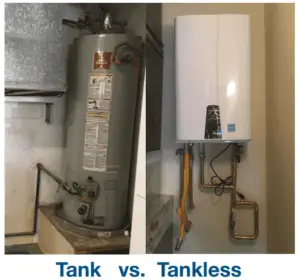
Side-by-side comparison of a traditional tank water heater and a modern tankless water heater installed in a home.Why Gainesville Homeowners Are Making the Switch

Why would you think about switching to a tankless water heater? The shift to tankless water heaters isn’t just another home improvement trend like those fancy smart thermostats everyone’s installing. There’s real substance behind the switch:

  • Average energy savings of 24-34% annually
  • Endless hot water on demand
  • Space savings (about 16 square feet compared to traditional tanks)
  • Longer lifespan (20+ years vs. 10-15 for traditional tanks)
  • Better for our Florida environment

These systems have come a long way in recent years, especially in handling our unique Florida climate and water conditions. Many homeowners find their investment pays off faster than a semester at UF.

Understanding Your Current Setup

Before diving into tankless territory, let’s assess your current situation. Your existing system tells us a lot about what you’ll need:

  • Age of current water heater
  • Fuel type (gas or electric)
  • Water usage patterns
  • Available space
  • Current energy costs

Most Gainesville homes built in the last 20 years already have the basic infrastructure needed for a smooth transition. However, older homes, especially those in historic districts, might need some updates to accommodate modern tankless systems.

The Real Costs of Switching

Let’s talk numbers – and no, we’re not discussing the Gators’ score. Here’s what you’re looking at for a typical Gainesville installation:

Initial Costs:

  • Basic installation: $2,000-$4,500
  • Possible electrical upgrades: $500-$2,000
  • Gas line installation (if needed): $500-$1,500
  • Venting modifications: $300-$1,000

But don’t let these numbers scare you away. Factoring in the long-term savings makes the math more appealing than a BOGO deal at Publix. The average Gainesville family saves $100-200 annually on energy costs alone.

What to Expect During Installation

The switch to tankless isn’t as disruptive as a home renovation project. Here’s the typical timeline:

  1. Initial Assessment (1-2 hours)
  • Home evaluation
  • System sizing
  • Location planning
  • Infrastructure check
  1. Installation Day (4-8 hours)
  • Removal of old system
  • New system installation
  • System testing
  • Final inspection

Most installations complete within a single day, though complex cases might require two. Your water service typically only needs to be shut off for 2-4 hours during the process.

Preparing Your Home for the Switch

Making the transition smoother than Butler Plaza traffic on a Sunday morning requires some preparation:

Space Considerations

Your new tankless unit will need:

  • Proper ventilation
  • Access for maintenance
  • Protected location
  • Appropriate clearances

Local installers familiar with Gainesville building codes can help ensure your installation location meets all requirements while maximizing efficiency.

Switching to a Tankless Water Heater Common Challenges

Every home presents its own unique challenges, but here are some common ones in Gainesville:

  1. Electrical Panel Capacity Many older homes need electrical upgrades to handle the power demands. The solution might be a panel upgrade or choosing a gas-powered unit.
  2. Water Hardness Our Florida water can be harder than trying to find parking during a home game. Installing a water softener alongside your tankless system can prevent mineral buildup and extend its life.
  3. Temperature Rise Requirements Gainesville’s groundwater temperature varies seasonally, affecting how hard your system needs to work. Proper sizing accounts for these fluctuations.

Switching to a Tankless Water Heater Making the Most

Once installed, optimize your tankless water heater’s performance:

  • Set the temperature correctly (120°F is optimal)
  • Schedule annual maintenance
  • Clean or replace filters regularly
  • Monitor energy usage
  • Keep vents clear

Regular maintenance keeps your system running longer than a Florida summer.

Switching to a Tankless Water Heater – Environmental Impact

Switching to tankless isn’t just good for your wallet – it’s great for our environment too:

  • Reduced energy consumption
  • Lower carbon footprint
  • Less water waste
  • Fewer materials in landfills
  • Extended product lifecycle

For environmentally conscious Gainesville residents, these benefits add extra appeal to the switch.

Switching to a Tankless Water Heater Long-Term Benefits

Looking ahead, your tankless investment continues paying dividends:

  • Increased home value
  • Reduced utility costs
  • More reliable performance
  • Better water pressure
  • Peace of mind

If you’re ready to make the switch, you’ll need expert guidance on transitioning to tankless. Because life’s too short for cold showers and high energy bills.

Switching to a Tankless Water Heater – FAQ

How long does it take to switch to a tankless water heater?

Most installations complete in 4-8 hours, though some homes may require additional time for electrical or gas line updates.

Will I need to upgrade my home’s electrical system?

Many homes older than 20 years require electrical upgrades, costing between $500-$2,000 depending on current setup.

How much will I save by switching to tankless?

Gainesville homeowners typically save 24-34% on water heating costs, averaging $100-200 annually.

What maintenance does a tankless system need?

Annual maintenance includes descaling, filter cleaning, and system inspection, costing about $150-200 per visit.

How long will my tankless water heater last?

With proper maintenance, expect 20+ years of service, compared to 10-15 years for traditional tanks.

Can I install a tankless water heater myself?

Professional installation is strongly recommended due to complex gas, electrical, and plumbing requirements.

What happens if the power goes out?

Gas units with electronic ignition backup will continue working, while electric units won’t function during outages.

Is financing available for tankless water heater installation?

Many local providers offer financing options, making the switch more affordable with monthly payments.

Filed Under: Blog

  • « Previous Page
  • 1
  • 2
  • 3
  • 4
  • 5
  • Next Page »

How can we help you?

Your Name(Required)

Our Location

Benjamin Franklin Plumbing
5111 NW 13th St Suite C,
Gainesville, FL 32609

Phone: (352) 781-0536

Hours of Operation:

Monday: 24 Hours
Tuesday: 24 Hours
Wednesday: 24 Hours
Thursday: 24 Hours
Friday: 24 Hours
Saturday: 24 Hours
Sunday: 24 Hours

Connect with Us

Facebook Youtube

Our Services

Drain Clearing
Drain Unclogging
Drain Cleaning
Emergency Plumbing
Faucet Installation
Faucet Repair
Garbage Disposals
Garbage Disposal Repair
House Repiping
Hydro-Jetting
Leak Detection
Plumbing Repairs
Sewer Line Repair
Sewer Line Replacement
Shower Installation
Shower Repair
Sump Pumps
Tankless Water Heaters
Toilet Installation
Toilet Repair
Water Filtration
Water Heater Installation
Water Heater Repair
Water Line Repair
Water Line Replacement
Water Softeners
Well Pump Repair

About

Our Company
Contact Us

Copyright © 2026 · Service Minds

Book Online
(352) 781-0536