Having to dig up underground water lines is rarely an easy task. You should never attempt this type of job yourself. A trained plumber will use special tools, visual clues, and utility records to accurately pinpoint the pipes without causing costly damage or destroying your landscaping and hardscaping.
If you simply need to locate the line without any digging, you can usually do this yourself. This guide walks you through pipe location methods and explains when to call a plumber.
Quick Takeaways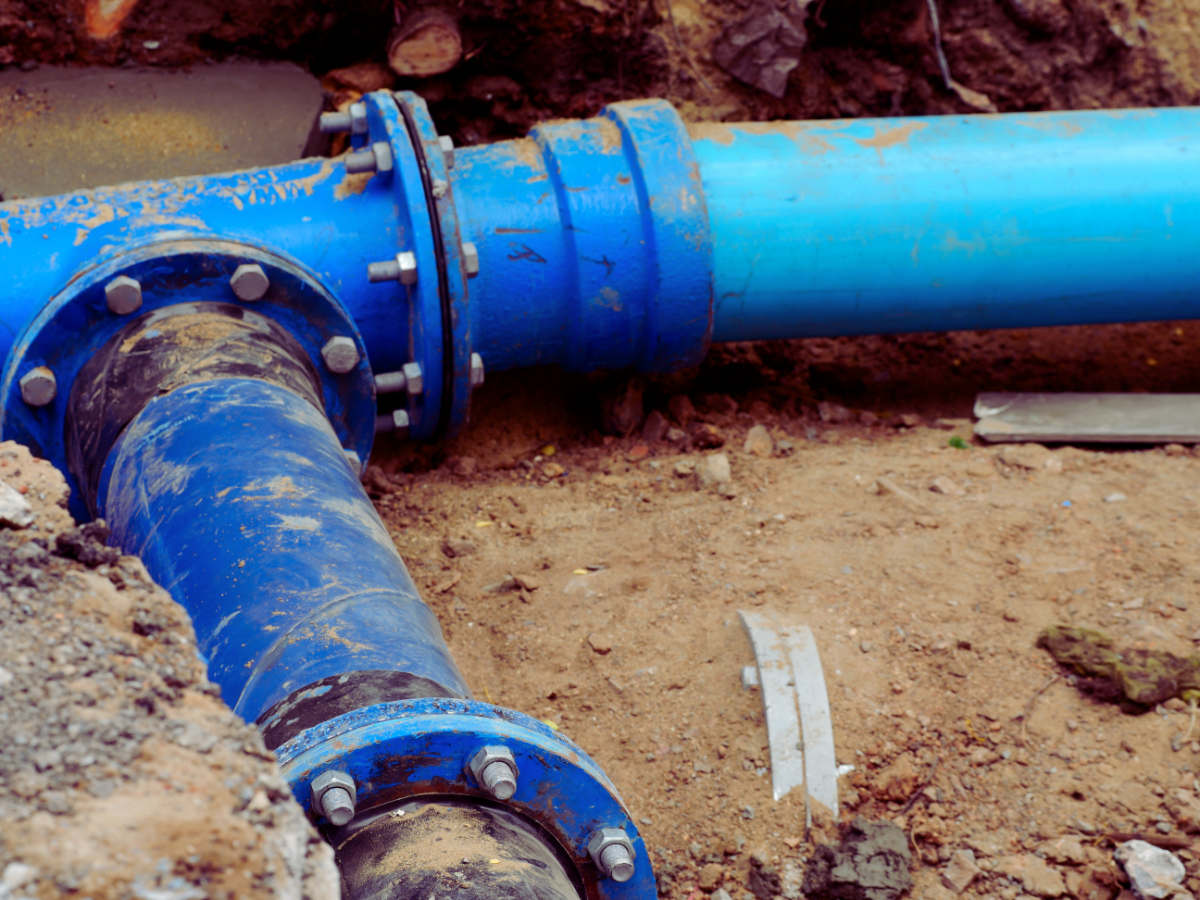
- Your underground water line connects to your home’s main shutoff valve and a municipal meter.
- You can look at property records, plumbing blueprints, and utility markings to find the line.
- Patches of green grass and wet soil are major warning signs of a buried water line leak.
- Special tools used by plumbers to locate underground lines include ground scanning radar and acoustic sensors.
- A water line replacement is often the best choice for underground pipe leaks.
Why Locating Underground Water Lines Matters
There are a number of scenarios where it helps to know the location of underground water lines: planning a new landscaping project, installing a fence, adding onto your home, and locating the source of a mysterious leak are just a few examples.
If you know where the pipes are, it’s much easier to navigate outdoor renovations or emergency repairs without causing accidental damage to the landscape, underground utilities, and your home’s foundation.
Where Underground Water Lines Are Usually Located
Homes connected to a municipal water supply have their underground water lines running from the city’s main water meter to the home’s primary shutoff valve.
The exact entry point tends to vary from home to home but is likely in one of the following places:
- Basement
- Crawl space
- Utility room
The pipes normally sit about 18-36 inches underground but this may also vary depending on your local frost line and regional climate.
How to Locate Underground Water Lines on Your Property
It’s perfectly safe for you to try and locate the underground water line yourself. The parts that require help from an experienced plumber are the actual excavation and repair of the pipes.
Check Property Records or Utility Plans
There should be multiple forms of paperwork that detail the exact location of the underground line:
- Site plans: These maps show how pipes fit your property.
- Construction drawings: Original blueprints reveal where builders buried lines.
- Municipal water records: City documents track connections from the street.
Use the “Straight Line” Method
The pipe runs underground from the street-side meter but then emerges into view as it enters the home. You can draw a line from the outdoor meter box to your main shutoff valve to get a good idea of where the pipe is buried.
Look for Ground Clues
Your yard may provide subtle or revealing growth patterns that tell you where the underground line is:
- Wet soil patches
- Greener grass lines
- Settling soil above pipes
Call Your Local Utility Marking Service
Call 811 to have professionals mark your buried lines. This gives you a reliable map to follow for landscaping, construction, and leak repair projects.
Tools Professionals Use to Locate Underground Water Lines
Trained plumbers have a variety of tools that simplify detecting the location of underground lines:
- Electronic pipe locators: These devices trace metal pipes underground using electromagnetic signals.
- Acoustic leak detection equipment: Microphones catch the sound of moving water.
- Ground penetrating radar (GPR): High-tech scanners see pipes through soil or concrete.
- Video pipe inspection cameras: Tiny cameras show the pipe’s path from inside.
Signs Your Underground Water Line May Be Damaged
If a buried line has damage, you’ll usually notice the problem through one or more of these red flags:
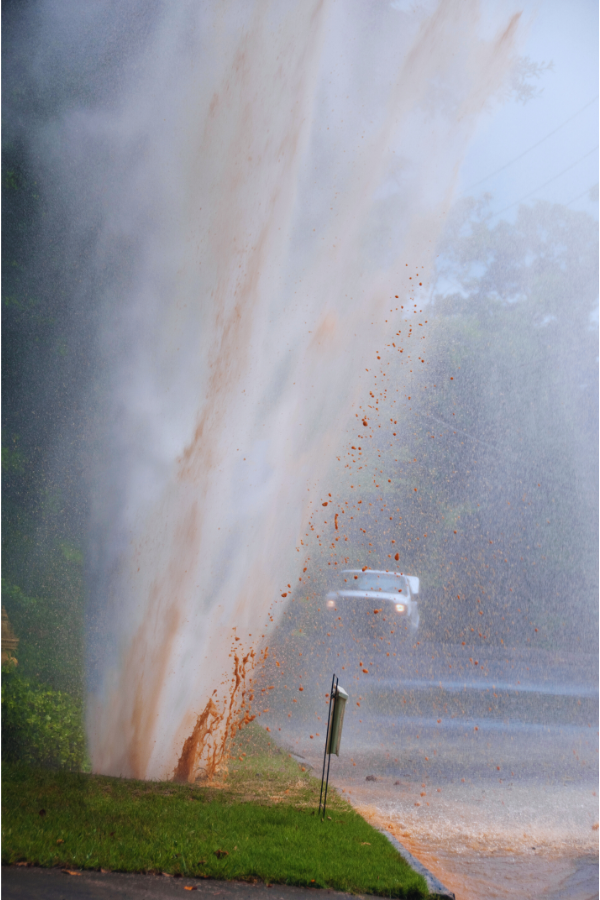 Unexplained fluctuations in water pressure
- Rising water bills despite no changes in usage
- Moisture intrusion through the home’s foundation (cracks in basement walls, damp spots on floors, mold growth in crawl spaces)
- Water meter keeps moving even when water is turned off
When Locating a Water Line Leads to Replacement
Some underground water line problems aren’t fixable with a simple repair or pipe patch.
In these situations, it’s usually best to replace the whole water line:
- Rusted, decaying lines
- Stubborn leaks keep coming back
- Crushed lines
- Root-damaged pipes
- Outdated lines
How Plumbers Safely Locate and Replace Underground Water Lines
Before any digging begins, plumbers use specialized mapping and leak detection tools to find the exact path of any underground lines. This allows them to carefully plan excavation and seamlessly replace the damaged pipes.
FAQ About Locating Underground Water Lines
How deep are underground water lines buried?
Most lines are buried about 18-36 inches underground in Gainesville.
Can a homeowner locate a buried water line?
Homeowners can use property maps and visual clues to spot buried water lines, but it’s best to call 811 to let professionals mark the area.
What tool is used to locate underground water pipes?
Plumbers have a wide range of tools to locate underground lines: electromagnetic locators, ground-penetrating radar, or acoustic sensors.
How do plumbers find underground water leaks?
Most times, plumbers will utilize high-tech microphones to listen for water leaks underground. They may also employ cameras to inspect the internal condition of your pipes.
Is it safe to dig without locating water lines first?
No, you should never dig without first calling 811 to have your lines marked. It’s not only illegal to ignore this safety protocol but also extremely dangerous because you may strike a high-pressure line and cause a catastrophic accident.
Professional Help for Underground Water Line Problems
 Whether you suspect a leak or want to prepare your yard for a new project, our Punctual Plumbers are ready to help. We’ll use advanced diagnostic and locating tools to map your lines and keep your project safe from start to finish. You won’t have to rely on guesswork that could compromise your yard’s drainage and soil stability.
Call Benjamin Franklin Plumbing today to put your underground plumbing in expert hands.